
Knightia excelsa
Knightia excelsa
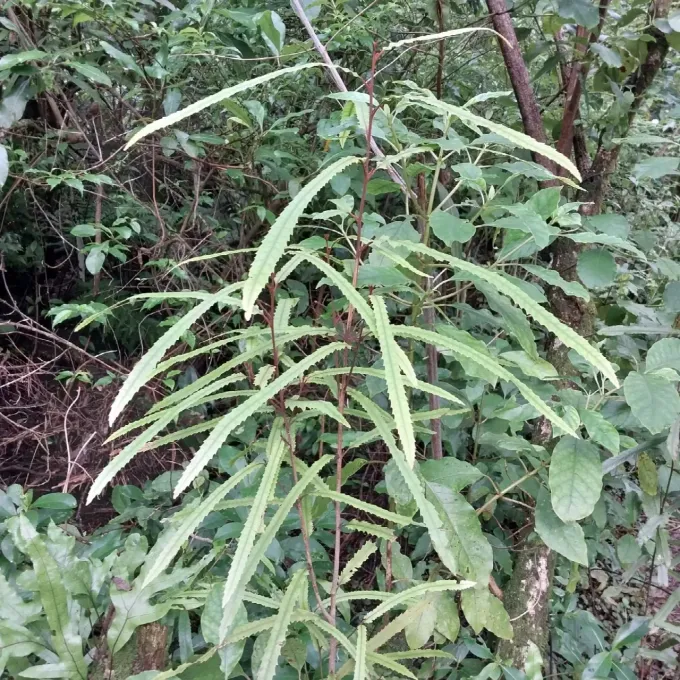
Description
Sowing dates
Knightia excelsa, commonly referred to as rewarewa, is not a typical agricultural crop for mass production, yet its propagation in nurseries is a critical first step. The process begins with collecting high-quality seeds, which often require stratification to break dormancy and ensure uniform germination.
The ideal time for sowing is during the spring season once the threat of late frost has passed. Seeds should be sown in a light, well-draining substrate, kept consistently moist but not waterlogged, and shielded from harsh, direct sunlight during the initial stages of development.
Applying plant growth stimulants can help accelerate the germination process. Because the germination rate can be slow and sporadic, maintaining a stable temperature environment of 18–22 degrees Celsius is essential for fostering strong, healthy seedlings.
Seedling development is inherently slow, necessitating diligent monitoring by agronomists. During the first few months, it is advisable to keep the plants under nursery protection to prevent mechanical damage or moisture stress that could compromise their delicate root systems.
Once seedlings reach 20–30 centimeters in height, they are transitioned to larger containers for continued growth or prepared for transplantation. Care must be taken during repotting to avoid damaging the taproot, which is a characteristic feature of many species within the Proteaceae family.
Growing requirements
As a member of the Proteaceae family native to New Zealand, Knightia excelsa thrives in temperate, humid climates. It shows a remarkable ability to adapt to various forest soil types, provided that the soil structure ensures adequate drainage and good aeration.
The plant is highly sensitive to waterlogging. Excess moisture around the roots is detrimental, so choosing a site with excellent soil structure is paramount for successful cultivation. Avoiding low-lying areas where water collects is a basic requirement for any plantation plan.
The preferred soil pH for rewarewa ranges from slightly acidic to neutral. The tree does not tolerate saline soils, which must be taken into account when selecting locations for shelterbelts or decorative plantings in rural or urban landscapes.
Light exposure significantly impacts the development of the tree canopy. While young trees can handle partial shade, full maturity and subsequent flowering require access to sufficient direct sunlight. Proper spacing is needed to ensure every tree receives enough light as it grows.
Regarding climatic tolerance, the species is relatively hardy within its natural range. However, when cultivated for specific purposes, young plants should be protected from harsh winds and sudden temperature drops, which can damage the evergreen foliage and developing shoots.
Yield
The economic value of Knightia excelsa is primarily derived from its high-quality timber. The productivity of these stands is calculated over long periods, as the tree requires several decades of growth to reach a size suitable for professional timber harvest.
The wood is prized for its unique, leopard-spotted grain pattern, making it a premium choice for high-end cabinetry and woodworking. Yield in a forestry context is measured by the volume of usable timber produced per hectare once the stand has reached its technical maturity.
The slow growth rate means that commercial planning for this species must involve a long-term investment horizon, typically ranging from 30 to 50 years. This makes it a specialized crop rather than a fast-turnover agricultural commodity.
Beyond timber, the species has significant potential in the ornamental nursery market. There is a consistent demand for well-formed specimens in landscaping projects, providing a steady secondary income stream for nurseries that specialize in rare or native plant varieties.
Maintaining high yields of nursery stock depends on the quality of seed sources and the rigorous application of pruning techniques. Strategic management helps in shaping the stem correctly, which ultimately increases the volume of high-value clear timber in the final harvest.
Main diseases and pests
Biological threats to Knightia excelsa primarily involve fungal infections. In conditions of poor drainage, root rot pathogens can thrive and cause significant mortality, particularly among younger, more vulnerable plants during their early developmental stages.
Insect pests, specifically wood-boring beetles, can cause damage to the bark and timber of weakened trees. Regular phytosanitary inspections are necessary to identify potential infestations early and allow for rapid intervention before they spread throughout the stand.
Leaf-eating insects can be problematic for young growth. While the tree has a level of natural resilience, massive pest outbreaks can significantly stunt growth and reduce the overall quality of the individual plants, impacting their final commercial value.
- Root rot (Phytophthora spp.).
- Wood-boring insect larvae.
- Aphid infestations on new shoots.
- Sap-sucking insects that cause foliage distortion.
To mitigate these risks, integrated pest management (IPM) practices are encouraged. This includes the use of bio-controls and maintaining optimal environmental conditions that keep the trees vigorous and capable of resisting common pathogens.
Harvesting
Harvesting timber from Knightia excelsa is a precise and demanding process. Selective harvesting is the preferred method, performed only when the tree has achieved the target stem diameter required to display the characteristic, high-value timber figure.
Felling operations require a high degree of technical skill to avoid damaging surrounding trees and to prevent the valuable timber from splitting upon impact. Modern, specialized equipment is used to ensure maximum recovery of raw material during the primary conversion stage.
Immediately after felling, the timber requires professional post-harvest handling. Protecting the ends of the logs from rapid moisture loss is essential to prevent checking and splitting, which would significantly reduce the quality of the lumber before it reaches the mill.
The drying process is critical due to the dense nature of the wood. Kiln drying must be managed under strict schedules to ensure the timber stabilizes properly. Proper drying is the only way to guarantee that the final products will maintain their shape and integrity over time.
Logistics for storage and transport of finished lumber must focus on maintaining controlled moisture levels. Strict adherence to these protocols ensures the preservation of the unique aesthetic and mechanical properties of the wood, which is crucial for meeting high customer expectations.