
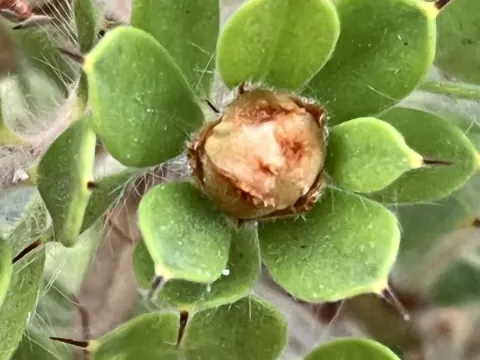
Hakea
Hakea Schrad.
The Hakea genus comprises a wide variety of evergreen shrubs and trees native to Australia and belonging to the Proteaceae family. These plants are well-known for their adaptation to nutrient-poor soils and arid environments.
What the section contains


Hakea
Botanically, Hakea species are characterized by their rigid, often prickly foliage and distinctive inflorescences that resemble brushes or pincushions. These adaptations allow the plants to thrive in regions with low water availability.
To successfully cultivate Hakea, it is essential to provide full sun exposure and sandy, free-draining soil. These plants are highly susceptible to root rot if the soil remains waterlogged for extended periods.
Climate requirements include mild winters, as most species are not cold-hardy. In non-Mediterranean climates, Hakea is best grown in greenhouses or in large pots that can be moved indoors during frost.
Economically, these plants are primarily valued in landscape architecture for their ability to form dense screens and hedges, providing privacy and architectural interest in outdoor spaces.
Root pathogens, specifically Phytophthora, pose a significant threat to Hakea. Proper soil drainage and avoiding over-irrigation are critical preventative measures for maintaining long-term plant health.
Insect pests such as scale insects and mealybugs can colonize the stems and foliage. Integrated pest management strategies are recommended to mitigate these populations without harming beneficial insects.
Leaf spot diseases can occur if the foliage remains wet for too long, especially in poorly ventilated environments. Good air circulation is key to preventing these fungal issues.
Sensitivity to phosphorus is a unique physiological trait of Hakea. Applying standard high-phosphorus fertilizers can cause toxicity, so specialized low-phosphorus feeds must be used.
Regular sanitation, including the removal of dead or diseased branches, is recommended to ensure robust growth and to reduce the risk of secondary infections in the canopy.