
Fletcher's conebush
Isopogon fletcheri
Description
Growing requirements
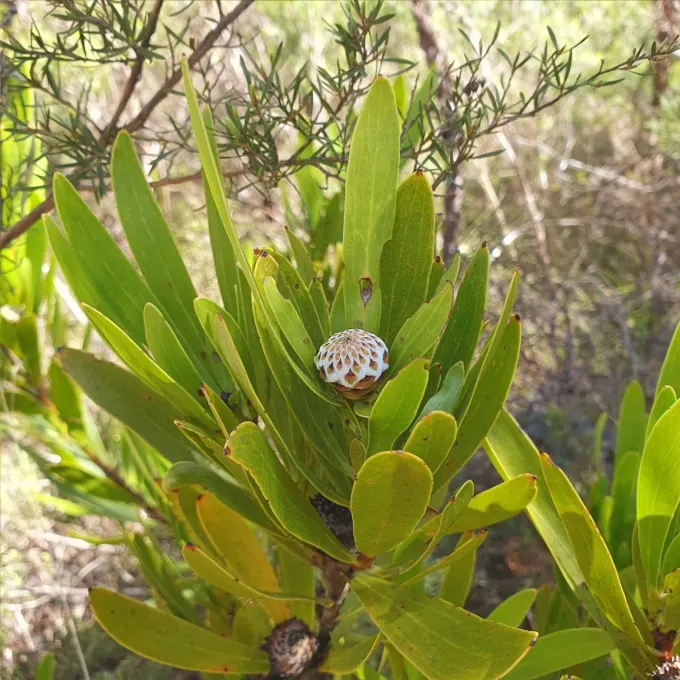
Fletcher's conebush (Isopogon fletcheri) is a distinctively ornamental shrub belonging to the Proteaceae family. Native to the mountainous regions of New South Wales, Australia, this rare species thrives in rocky outcrop environments, adapting to harsh soil conditions.
The plant features specialized foliage with stiff, pinnate leaves that are highly adapted to low-nutrient environments. Its reproductive structures consist of iconic cone-like flower heads, which are highly valued in the horticultural trade for their unique aesthetic and structural longevity.
Successful cultivation requires soil that mimics the plant's native habitat: extremely well-draining, acidic, and low in phosphorus. Gardeners must avoid high-fertilizer regimes, especially those containing phosphorus, as the plant's roots are highly sensitive and easily damaged.
Climate preferences for this species are centered on cool-temperate conditions with good airflow. Exposure to high humidity combined with stagnant air often leads to physiological stress, making it a challenging species to maintain outside of its specific climatic zone.
The primary horticultural application of Isopogon fletcheri is in specialized landscapes and as a high-end ornamental crop. Due to the woody nature of the flower heads, they are frequently utilized in professional dried flower arrangements and high-concept botanical design.
Main diseases and pests
The most significant threat to Fletcher's conebush is Phytophthora cinnamomi, a soil-borne fungus that thrives in moist, poorly drained conditions. Once the root system is infected, the plant is difficult to save, emphasizing the necessity of strict drainage management.
Pest management for this species involves monitoring for sap-sucking insects like mealybugs and aphids, particularly during the active spring growth phase. Preventive measures include regular pruning to ensure proper aeration through the canopy and early detection of infestations.