
Heliciopsis terminalis
Heliciopsis terminalis
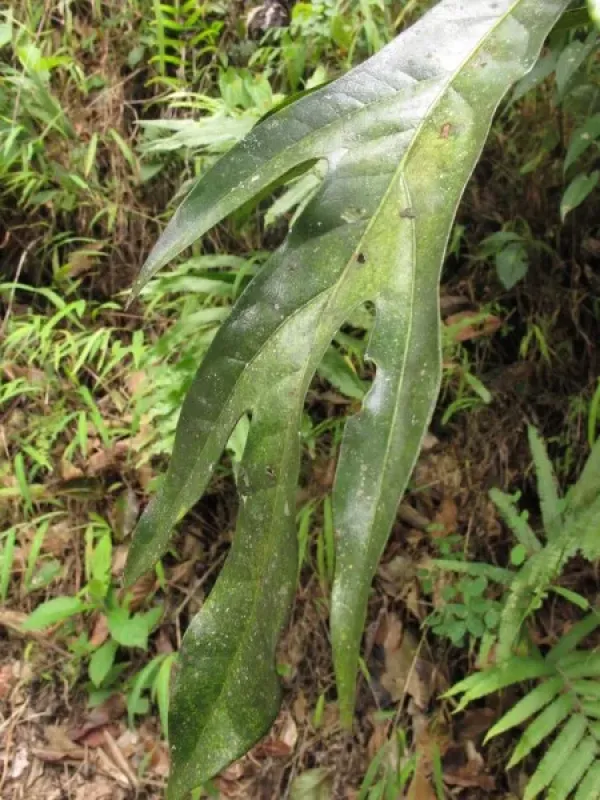
Description
Sowing dates
The cultivation of Heliciopsis terminalis begins with the careful selection of seeds, which are typically sown in professional nursery beds or containers. This controlled environment ensures a high germination rate and protection against initial environmental stresses.
Sowing schedules are ideally aligned with the onset of the rainy season. This natural timing provides the necessary moisture levels for seedlings to establish a strong root system during their most vulnerable stage of development.
The potting medium must be well-draining, consisting of a mix of sand, compost, and organic matter to facilitate root respiration. Proper aeration of the substrate is critical to preventing fungal issues in young plants.
Seeds are sown at a shallow depth to encourage uniform emergence. Regular, light watering is essential during the first weeks until seedlings reach a stage of hardening, where they can tolerate wider variations in environmental conditions.
Transplanting to the field occurs when seedlings reach a height of approximately 30 to 50 centimeters. Careful handling of the root ball is necessary to avoid transplant shock and ensure long-term stability in the plantation.
Growing requirements
Belonging to the Proteaceae family, Heliciopsis terminalis is native to humid tropical regions. It thrives in environments characterized by high temperatures and significant annual rainfall, typically found in forest clearings or managed woodlots.
The ideal temperature range for this species is between 22°C and 30°C. It is sensitive to extreme weather events, including frost and prolonged droughts, which can severely hinder growth rates and tree health.
Soil requirements dictate the need for fertile, well-draining soils with a neutral pH. The species performs poorly in waterlogged conditions, making site selection a critical factor for success in any agroforestry operation.
Humidity management is vital, especially for young saplings. In areas prone to seasonal dryness, supplemental irrigation is recommended to maintain optimal turgor pressure and prevent leaf desiccation.
Nutrient management involves applying balanced fertilizers during the active growing season. Adequate phosphorus levels are particularly beneficial for root health and overall tree vigor in diverse soil types.
Main diseases and pests
Like many tropical tree species, Heliciopsis terminalis is susceptible to various fungal pathogens, particularly root rots, when grown in poorly drained soils. Regular inspection of the root zone is a primary prevention strategy.
Insects, such as wood-boring beetles, can pose a risk to the health of older trees. Integrated Pest Management (IPM) practices, including the removal of infested branches, are standard procedures in forest management.
Leaf-eating caterpillars may occasionally affect young nursery stock, necessitating manual removal or the application of biological control agents to maintain foliage integrity for photosynthesis.
Environmental stress, including unexpected droughts or pest outbreaks, can weaken trees and make them more vulnerable to secondary infections. Maintaining diverse plantation stands helps minimize the spread of pests.
Proper sanitation of tools and equipment used for pruning is essential to prevent the mechanical transmission of diseases within the plantation, ensuring the long-term health of the wood crop.
Harvesting
The primary economic output of Heliciopsis terminalis is its high-quality timber. Harvest cycles are determined by the growth rate of the trees, aiming for maximum yield of lumber with desirable density and grain characteristics.
Selective harvesting is the preferred method in sustainable forestry, where only mature trees are extracted. This ensures that the forest structure is preserved and natural regeneration is encouraged.
Harvested timber is highly valued in cabinetry, flooring, and decorative interior work due to its aesthetic appeal. Proper seasoning after harvesting is crucial to prevent warping and degradation of the material.
Post-harvest management includes re-planting areas cleared during the harvest to ensure a continuous cycle of production. This helps in maintaining the ecological balance and continuous soil protection.
Efficient logging practices are employed to minimize damage to standing trees. Timber logs should be treated promptly to prevent surface checking and protect the quality of the wood before industrial processing.