
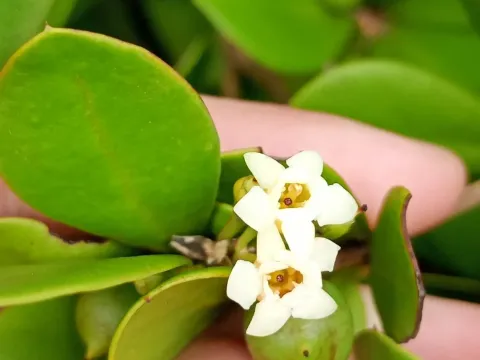
Jacquinia
Jacquinia
Propagation of Jacquinia in commercial nurseries is primarily performed through seeds or semi-hardwood cuttings to ensure genetic consistency and plant health.
What the section contains


Jacquinia
Seeds require a high-quality, well-draining potting mix, with germination occurring optimally at temperatures ranging from 22 to 25 degrees Celsius.
When using cuttings, it is essential to select healthy semi-mature shoots and apply root-promoting hormones to maximize the successful establishment of the root system.
Transplanting to the final location should only occur once the risk of frost has entirely passed, as the species is highly sensitive to cold stress.
Maintaining appropriate spacing between individual plants is crucial to facilitate proper air circulation and reduce the overall humidity levels around the foliage.
Jacquinia is a member of the Primulaceae family, naturally occurring in the tropical regions of the Americas and the Caribbean, adapted to warm and humid conditions.
These plants typically feature stiff, leathery leaves and vibrant flowers, making them an excellent choice for ornamental landscaping in coastal tropical environments.
The culture thrives in locations with full sun to partial shade, requiring significant light exposure to maintain its characteristic leaf coloration and vigor.
Soil requirements focus on excellent drainage; while the plant is tolerant of various substrates, it strictly avoids waterlogged conditions which damage root tissues.
Watering must be balanced, ensuring the soil remains moist but not saturated, as the plant's metabolic rate is heavily influenced by moisture and temperature availability.
Common pests affecting Jacquinia include scale insects and spider mites, which typically exploit dry indoor or greenhouse conditions to multiply rapidly.
Root rot represents a significant threat, usually caused by poor drainage or excessive irrigation, leading to irreversible damage to the vascular system.
Integrated pest management, including regular inspection and the use of targeted biological controls, is highly recommended to maintain plant health.
Sanitation practices, such as the disinfection of pruning tools and removal of infected debris, are essential to preventing the spread of fungal pathogens.
Monitoring for signs of stress, such as yellowing leaves or wilting, allows for prompt intervention before an infestation or disease becomes severe.