
Japanese loosestrife
Lysimachia japonica
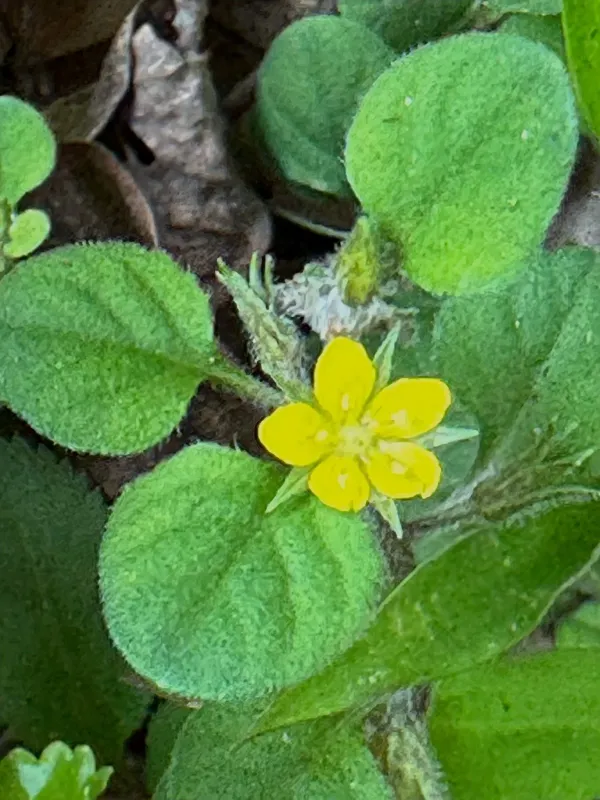
Description
Sowing dates
Japanese loosestrife (Lysimachia japonica) belongs to the Primulaceae family and is a resilient perennial ground cover. Propagation by seed is performed in controlled nursery environments during early spring to ensure uniform germination rates.
In outdoor settings, seeds should be sown in autumn to allow for natural stratification, which is critical for successful spring emergence. The seeds are extremely small and should be lightly pressed into the soil surface without deep covering.
Vegetative propagation is the most preferred method for gardeners, involving division of mature clumps or taking stem cuttings. This technique ensures that new plants are established and ready for transplantation in a relatively short period.
Cuttings should be placed in a rooting medium composed of peat and perlite, maintained under high humidity levels. Root formation typically occurs within two to three weeks under warm and shaded conditions.
For ground cover applications, planting density is usually around 9 to 12 plants per square meter. This spacing allows the runners to bridge the gaps quickly, creating a lush, uniform mat that suppresses weed growth effectively.
Growing requirements
The plant thrives in partial to full shade, mimicking its natural habitat in East Asian forest understories. Excessive direct sunlight can scorch the foliage and force the plant into early dormancy if moisture levels are not maintained.
Moisture is the primary requirement for success; the soil must remain consistently damp throughout the growing season. A rich, well-draining soil enhanced with organic compost provides the best environment for rapid expansion.
Temperatures should remain moderate, as extreme heat can stress the plants. In regions with hot summers, providing organic mulch around the base of the stems helps to regulate soil temperature and retain necessary moisture.
The ideal soil pH for this species is slightly acidic to neutral. If the soil is heavy clay, incorporating coarse sand or fine gravel will improve aeration and drainage, preventing the roots from suffocation or rot.
Regular fertilization with a balanced liquid fertilizer is beneficial in late spring as the plant enters its active growth phase. Avoid high-nitrogen fertilizers that might produce soft growth susceptible to weather damage.
Main diseases and pests
Slugs and snails are the most common pests, as they are attracted to the succulent, moisture-rich leaves. Protecting the plantings with barriers or using organic baits can significantly reduce the impact of these pests.
Rust and other fungal diseases can appear if the plants are situated in areas with poor airflow and high humidity. Proper spacing during the initial planting phase is the most effective preventative measure against these issues.
Root rot is often a symptom of waterlogged soil. Ensuring that the site has adequate drainage or slightly elevating the planting bed can resolve most issues related to water stagnation.
Aphids can occasionally infest new growth, especially during warm spells. Washing the plants with a gentle stream of water or using horticultural soaps is usually sufficient to clear the infestation without harming the plant.
Routine inspection of the planting area is essential for early detection of potential threats. By maintaining a clean and well-aerated planting site, you can minimize the reliance on chemical pesticides and promote plant health.