
Jacquinia berteroi
Jacquinia berteroi
Description
Growing requirements
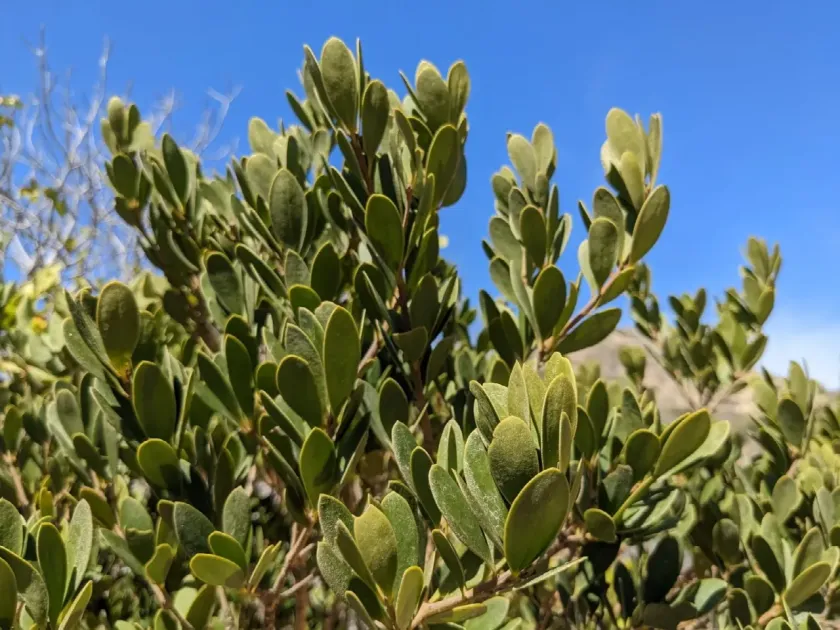
Jacquinia berteroi is a distinctive evergreen shrub or small tree belonging to the Primulaceae family. It is recognized for its robust, leathery foliage and its ability to thrive in harsh, nutrient-poor environments within its native Caribbean and Central American range.
The plant demonstrates a high tolerance for saline conditions, which makes it an ideal candidate for coastal landscaping projects. It performs best in well-drained, porous soils, often thriving in limestone or sandy substrates that prevent water saturation at the root zone.
Climatic requirements for Jacquinia berteroi are centered on high solar radiation and consistent tropical warmth. It is highly intolerant of frost, and any exposure to freezing temperatures can cause irreversible cellular damage and plant mortality, requiring a strictly frost-free environment.
Agrotechnical management involves ensuring maximum light exposure. Shade-grown specimens often become leggy and produce fewer flowers, so site selection should prioritize open, sunny areas to maintain the plant's dense and compact growth habit.
From a utilitarian perspective, the plant is primarily cultivated for ornamental purposes. Its density and adaptability to hedging make it a staple in tropical botanical garden design, where it provides structural integrity and aesthetic consistency throughout the seasons.
Main diseases and pests
The primary health threats to Jacquinia berteroi involve fungal diseases associated with poor aeration and improper irrigation practices. Soil moisture management is vital; stagnant water around the roots quickly leads to root decay and overall decline.
Pest management is frequently focused on sap-sucking insects, particularly scale insects and mealybugs. These pests hide on the underside of the thick leaves and along stems, extracting plant juices and weakening the specimen over time.
To maintain plant health, regular pruning is necessary to ensure internal air circulation and sunlight penetration. Removing stagnant growth and debris prevents the establishment of damp, dark microclimates where pathogens thrive.
If an infestation occurs, the use of targeted systemic insecticides or horticultural oils is recommended. Because the leaves are thick and waxy, care must be taken to ensure thorough coverage without causing phytotoxic stress to the plant tissue.
Preventative cultural practices remain the most effective strategy. This includes maintaining moderate soil moisture levels, avoiding overhead irrigation in humid conditions, and monitoring for early signs of pest colonization during regular site inspections.