
Jacquinia aculeata
Jacquinia aculeata
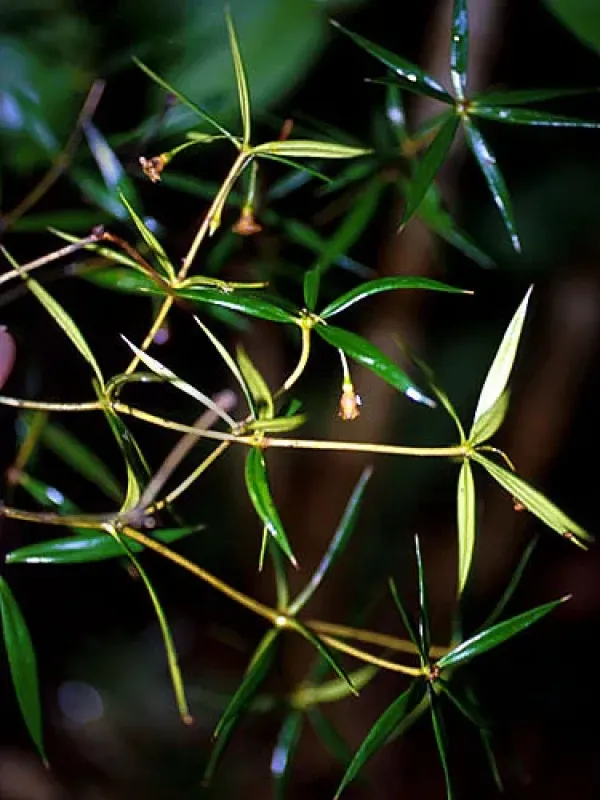
Description
Growing requirements
Jacquinia aculeata belongs to the family Primulaceae. It is a slow-growing, evergreen woody plant characterized by its rigid, spine-tipped leaves, which serve as a natural defense mechanism against herbivores in its native habitat.
The plant is native to the Caribbean region, specifically found in Cuba and surrounding islands. It typically thrives in coastal limestone forests, where it has adapted to alkaline, well-draining, and nutrient-poor rocky soils.
Cultivation requires full sun exposure. As a tropical species, it demands high temperatures and is extremely sensitive to frost. Indoor cultivation requires the brightest possible location, often supplemented by professional grow lights in non-tropical climates.
Soil composition must prioritize drainage over water retention. A professional grower should use a porous mix, often including limestone gravel or perlite, to mimic the plant's natural rocky environment and prevent root rot.
Watering practices must be disciplined. During the growing season, water should be applied only when the top layer of the substrate has completely dried out. In the winter dormancy phase, water application should be reduced to an absolute minimum.
Main diseases and pests
Common pests include spider mites, which thrive in the dry air often found in greenhouses. These pests can rapidly infest the foliage, causing chlorosis and eventual leaf drop if left untreated.
Root rot caused by Phytophthora or Pythium species remains the primary threat to the long-term survival of Jacquinia aculeata. It is almost always a result of overwatering or inadequate soil porosity.
Mealybugs are another frequent pest, appearing as white, cottony masses in leaf axils. Physical removal followed by the application of horticultural oil or systemic insecticides is necessary for effective management.
Poor ventilation can lead to the development of sooty mold, which grows on the honeydew secreted by aphids or scale insects. Improving air circulation is essential for the health of the plant canopy.
Regular preventive care, including the inspection of the plant architecture and soil surface, is the most effective strategy for managing both abiotic and biotic threats to this species.