
Jacquinia aurantiaca
Jacquinia aurantiaca
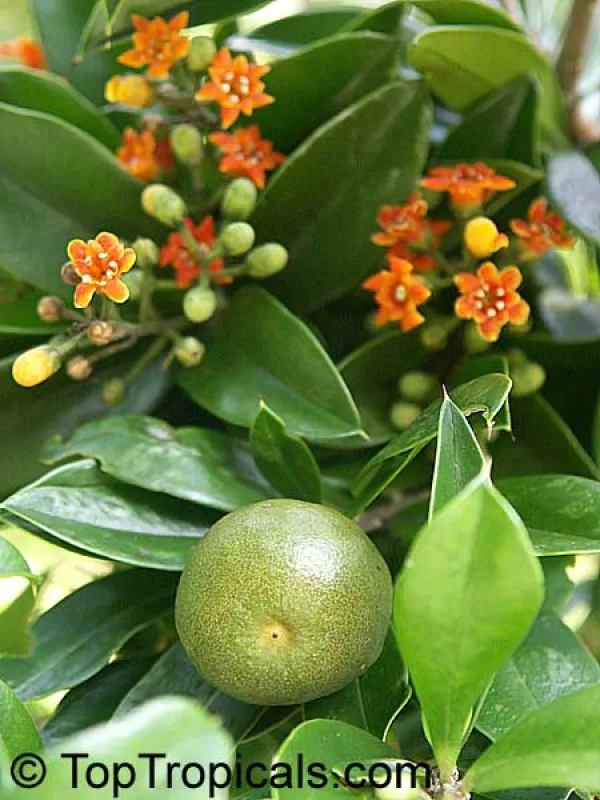
Description
Growing requirements
Jacquinia aurantiaca is an evergreen shrub or small tree belonging to the Primulaceae family. It is native to the tropical regions of Central and South America, where it thrives in coastal habitats and dry forests.
Botanically, the plant is distinguished by its leathery, obovate leaves and vibrant orange flowers. These flowers are highly valued for their ornamental appearance, making the shrub a popular choice for tropical landscapes and botanical conservatories.
The cultural requirements demand full sun exposure for healthy growth and prolific blooming. Without adequate light intensity, the plant becomes leggy, and its potential for developing decorative fruit or flowers is significantly reduced.
Well-draining, slightly acidic to neutral soil is essential for the root health of this species. In container cultivation, it is crucial to ensure that the potting medium remains aerated and does not become waterlogged.
Climate needs are strictly tropical. The species is highly sensitive to cold, and it cannot survive frosts. In temperate zones, it must be grown in greenhouses or as a protected indoor plant throughout the year.
Main diseases and pests
The primary threats to Jacquinia aurantiaca include scale insects and mealybugs, which are notorious for hiding in the crevices of the dense, leathery foliage.
Root rot represents the most significant physiological threat, usually caused by overwatering or poor drainage systems in pots. Maintaining a proper irrigation schedule is key to prevention.
Spider mites are a frequent concern in low-humidity environments. Regular misting of the canopy helps maintain local humidity and discourages these pests from establishing colonies.
Fungal leaf spots can occur if the plant is kept in an area with poor air circulation. Ensuring space between plants or using small fans can improve conditions significantly.
Integrated pest management strategies should include periodic visual inspections and the use of insecticidal soaps or horticultural oils if an infestation is detected early.