
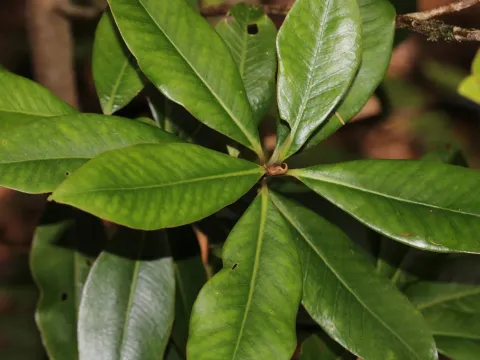
Heberdenia
Heberdenia
Heberdenia is a genus of evergreen trees and shrubs belonging to the family Primulaceae. Native to the Macaronesian region, specifically the Canary Islands and Madeira, these plants are iconic components of the laurel forest ecosystems, known locally as monteverde.
What the section contains

Heberdenia
The climate requirements for Heberdenia are quite specific, as the species thrives in humid, subtropical environments. They require constant humidity, mild temperatures throughout the year, and protection from extreme temperature fluctuations, which makes them suited for greenhouse cultivation in temperate zones.
Regarding soil, these plants necessitate a deep, nutrient-rich substrate with excellent aeration and drainage. Providing a slightly acidic to neutral pH level is ideal for nutrient uptake. Using a specialized mix of peat, bark, and perlite helps maintain the required moisture level without suffocating the roots.
Cultivation practices involve careful light management. While mature specimens can tolerate partial sun, seedlings and young plants must be shielded from direct, intense light. Periodic misting is beneficial to replicate the foggy, humid conditions of their native cloud forests.
Propagation is primarily achieved via seeds sown directly after harvesting. Vegetative propagation through cuttings is difficult and requires a controlled microclimate, including high humidity and stable heat, to ensure the successful development of the root system.
Diseases affecting Heberdenia are largely linked to improper watering. Root rot, caused by fungal pathogens, is the primary threat to the health of the plant. Ensuring adequate drainage and avoiding waterlogged conditions are the most effective preventive measures against these infections.
Pest issues often include mealybugs and spider mites, which are prone to colonizing plants in indoor environments with limited airflow. These insects cause damage by feeding on plant juices, which can stunt development and cause leaf drop.
Scales are another common concern, often hiding along the stems and the undersides of leaves. Regular monitoring and the application of horticultural oils or systemic insecticides help keep populations under control before they cause significant damage.
Leaf spot diseases can manifest during periods of poor air circulation and excessive humidity. Providing space between plants and pruning for better airflow are essential strategies to reduce the impact of these fungal pathogens.
Maintaining plant vigor through balanced fertilization and proper watering schedule is the best way to prevent pest infestations and diseases. Weakened plants are significantly more susceptible to environmental stress and opportunistic pathogens.