
Labisia obtusifolia
Labisia obtusifolia
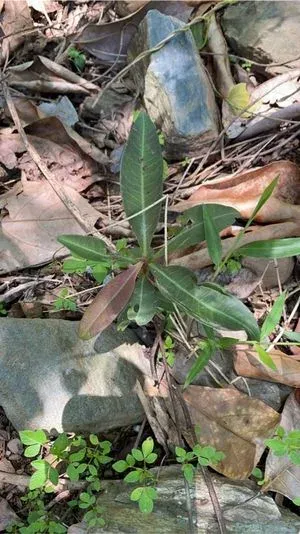
Description
Growing requirements
Labisia obtusifolia is a herbaceous perennial plant belonging to the Primulaceae family. It is native to the tropical rainforests of Southeast Asia, where it thrives in the shady and humid understory of the forest.
The plant requires a strictly controlled environment with high humidity levels, ideally maintained between 75% and 85%. Temperature stability is crucial, with an optimal range between 22°C and 28°C for consistent biomass production.
Light management is essential, as this species cannot tolerate direct sunlight. In a cultivation setting, it requires filtered or indirect lighting to mimic the natural canopy cover, preventing leaf scorch and dehydration.
The soil substrate must be highly porous, well-draining, and rich in organic matter. A mixture of peat, perlite, and decomposed forest litter is ideal to ensure proper root aeration and moisture retention without stagnation.
Agronomic practices include consistent irrigation with water that has a low mineral content. Fertilization should be mild and balanced, focused on promoting vegetative growth rather than rapid, succulent development.
Yield
Labisia obtusifolia is primarily cultivated for its phytochemical content, specifically its leaf biomass. It is highly valued in traditional medicine for its antioxidant and anti-inflammatory properties.
Under professional greenhouse management, the plant provides a reliable harvest cycle. Growers practice sustainable harvesting by selectively picking mature leaves, ensuring the apical meristem remains healthy for continued growth.
Yield metrics are based on dry leaf mass per square meter. To maintain high-quality chemical potency, the drying process must be carried out in dark, temperature-controlled environments to prevent active compound degradation.
Economic viability is driven by the demand for natural extracts used in health supplements and skincare products. Consistent monitoring of growth stages allows for maximum yields during the plant's peak vegetative period.
Regular harvesting protocols stimulate the plant to produce new shoots, provided that nutrition and climate requirements are strictly met during the recovery periods.
Main diseases and pests
The most significant threats to Labisia obtusifolia in cultivation are spider mites and mealybugs. These pests thrive in dry environments and can quickly diminish the quality of the harvested leaves.
Fungal infections, particularly root rot, represent the primary disease risk. These pathogens are typically introduced through waterlogged soil or poor circulation, leading to rapid plant decline.
Integrated Pest Management (IPM) is recommended, prioritizing the use of predatory insects or biological sprays. This approach ensures that the medicinal quality of the harvest is not compromised by harsh chemical residues.
Sanitation is a vital component of successful cultivation. Keeping growing areas free of dead plant debris prevents the buildup of fungal spores and keeps pest populations below economic damage thresholds.
Early detection is key; routine inspections of leaf undersides and the soil surface allow for immediate corrective actions before an infestation or infection becomes systemic.