
Headed primrose
Primula capitata
Description
Sowing dates
Sowing of Primula capitata is typically done via seeds, which is the most reliable method to produce healthy plants. The best time for sowing is during the autumn or early spring, provided the seeds undergo a mandatory stratification process.
The seeds are very fine and should be distributed evenly over the surface of moist substrate without covering them deeply. They require diffuse light and a cool environment to germinate successfully.
Seed containers should be covered with glass or clear plastic to maintain high humidity. Daily ventilation is essential to prevent mold growth and ensure a healthy environment for the emerging seedlings.
Pricking out the seedlings should be performed once the first set of true leaves develops. Great care is necessary during this stage, as the root system of Primula capitata is delicate and susceptible to damage.
Transplanting into the garden bed should take place at the beginning of summer after the threat of frost has passed. Hardening off the seedlings for two weeks before planting is recommended to improve survival rates.
Growing requirements
Primula capitata belongs to the Primulaceae family and originates from the high-altitude regions of the Himalayas. It thrives best in cool, moist, and partially shaded locations that mimic its native alpine environment.
The soil must be light, well-drained, and rich in organic matter to support growth. Primula capitata is sensitive to waterlogging, especially in winter, which can lead to rapid rot of the basal rosette.
A neutral to slightly acidic soil pH is ideal for this culture. Incorporating well-rotted leaf mold or compost during planting improves soil structure and provides necessary nutrients for a healthy root system.
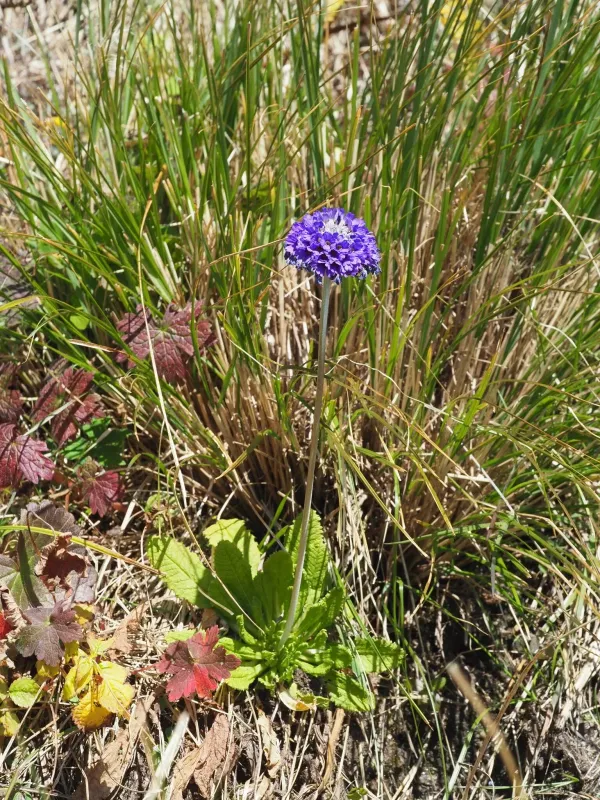
The plant is known for its distinct inflorescences, which form dense, head-like clusters covered in a mealy, white powder. The leaves form a neat basal rosette that remains attractive throughout the season.
Regular watering is essential during the active growing season. It is vital to water at the base of the plant to keep the leaves dry, thereby reducing the risk of developing fungal pathogens.
Main diseases and pests
Grey mold and root rot are the primary threats to Primula capitata, usually caused by excessive humidity or poor soil drainage. Keeping the area free of weeds and providing airflow helps minimize these risks.
Slugs and snails can cause significant damage to the foliage, particularly in damp conditions. Mechanical traps or eco-friendly barriers can be used to protect the plants from these pests effectively.
Aphids and spider mites may attack the plants during hot, dry spells. If infestations occur, appropriate insecticidal or acaricidal treatments should be applied promptly to stop the spread.
Nematodes can sometimes infect the root system, resulting in stunted growth and chlorotic leaves. Infected plants should be discarded entirely, including the root ball, to ensure the safety of other plants.
Maintaining proper hygiene in the garden is the best way to prevent outbreaks. Avoid overcrowded plantings to ensure sufficient light and air circulation, which are critical for the health of this species.