
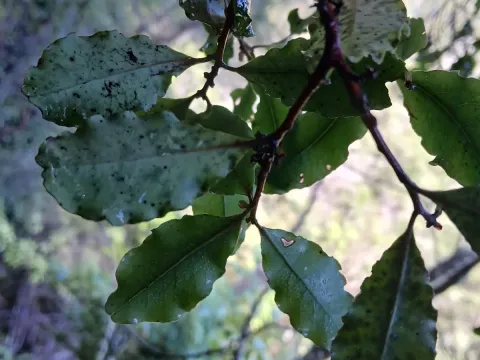
Myrsine
Myrsine L.
Propagation of Myrsine is typically achieved through seeds, which often benefit from scarification to improve germination rates. The most suitable time for sowing is early spring when increasing daylight hours provide a natural boost for seedling development.
What the section contains
 African boxwood
Myrsine africana L.
African boxwood
Myrsine africana L.
 Chatham Island Myrsine
Myrsine chathamica F. Muell.
Chatham Island Myrsine
Myrsine chathamica F. Muell.
 Kermadec myrsine
Myrsine kermadecensis Cheesem.
Kermadec myrsine
Myrsine kermadecensis Cheesem.
 Mountain Myrsine
Myrsine montana Hook. f.
Mountain Myrsine
Myrsine montana Hook. f.
 Myrsine coxii
 Cockayne
Myrsine coxii
Myrsine coxii Cockayne
 Myrsine nummularia
 Hook. f.
Myrsine nummularia
Myrsine nummularia Hook. f.
 Myrsine oliveri
 Allan
Myrsine oliveri
Myrsine oliveri Allan
 New Zealand myrsine
Myrsine salicina Heward
New Zealand myrsine
Myrsine salicina Heward
 Red matipo
Myrsine australis (A. Rich.) Allan
Red matipo
Myrsine australis (A. Rich.) Allan
 Weeping mapau
Myrsine divaricata A. Cunn.
Weeping mapau
Myrsine divaricata A. Cunn.
Myrsine
For optimal results, use a well-draining, lightweight substrate consisting of peat and perlite or sand. The seeds should be lightly covered with soil and kept in a warm, humid environment to stimulate the initiation of growth cycles.
Maintain a stable temperature between 20–22 degrees Celsius throughout the germination phase. It is essential to ensure that the seedling tray has adequate ventilation to prevent fungal outbreaks such as damping-off in the early stages.
Once the seedlings develop their first true leaves, they should be carefully transplanted into individual pots. Handling the fragile root system requires patience, as the plants are sensitive to disturbances during the initial phases of establishment.
Stem cuttings are also a viable option for those looking to reproduce specific cultivars. Semi-hardwood cuttings placed in a rooting medium and kept in a high-humidity environment typically take several weeks to establish a strong root system.
Myrsine is a genus of evergreen shrubs and small trees belonging to the Primulaceae family. Renowned for their dense, glossy foliage, these plants are highly valued in both ornamental landscaping and greenhouse collections.
The plant thrives in bright, indirect light, which mimics its natural habitat in tropical and subtropical forest understories. Exposure to harsh, direct sunlight can lead to leaf scorching and overall stress on the plant structure.
Regarding soil requirements, Myrsine prefers fertile, slightly acidic, and well-aerated soil. Poor drainage is the most significant hazard to this plant, making a robust drainage layer a mandatory requirement for container-grown specimens.
Watering practices should be consistent, allowing the surface of the growing medium to dry out slightly between irrigation sessions. Overwatering is the primary cause of decline and must be avoided to keep the roots healthy and active.
Humidity management is crucial, especially in indoor environments where air tends to be dry. Regular misting and the use of pebble trays help maintain a microclimate that prevents leaf tip browning and keeps the foliage looking vibrant.
Pests such as scale insects and spider mites are the most common threats to Myrsine, particularly in dry and poorly ventilated conditions. Monitoring the undersides of the leaves regularly is essential for early detection and control.
Root rot is a pervasive disease caused by waterlogged soil and poor aeration. When signs of wilting appear despite moist soil, it is usually an indicator that the roots have been compromised by fungal pathogens.
Chlorosis, often manifesting as yellowing foliage, is typically linked to nutrient deficiencies or high pH levels in the irrigation water. Providing iron-rich supplements can effectively reverse these symptoms and restore the plant's health.
Powdery mildew can infect the leaves if air circulation is stagnant. Implementing better spacing and utilizing preventative fungicide treatments can effectively manage and mitigate the risk of fungal spread during humid spells.
- Maintain good airflow to discourage fungal pathogens.
- Apply insecticidal soap if signs of scale or mites appear.
- Ensure a strict watering schedule to prevent root suffocation.