
Myrsine umbellata
Myrsine umbellata
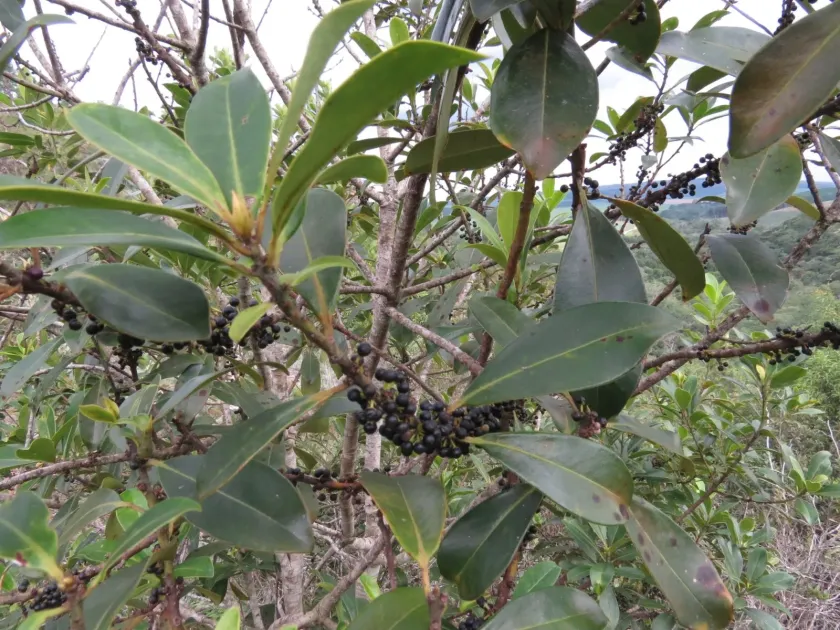
Description
Growing requirements
Myrsine umbellata is a perennial evergreen shrub belonging to the Primulaceae family. Native to tropical regions, this species typically thrives in moist forest environments where it benefits from high atmospheric humidity, filtered sunlight, and rich, well-draining organic soils common to its natural habitat.
The climatic requirements for this species are strict regarding temperature stability. As a tropical plant, it does not tolerate frost or cold drafts. In temperate zones, it is primarily cultivated in controlled environments such as greenhouses, conservatories, or as an indoor ornamental plant, requiring consistent temperatures.
Soil composition should emphasize drainage and aeration. A substrate mix containing peat, perlite, and bark is ideal for maintaining the necessary moisture levels without risking root saturation. A slightly acidic pH balance is preferred to ensure optimal nutrient absorption and overall plant vigor throughout the growing season.
Light management is essential for healthy development. While Myrsine umbellata can adapt to various light levels, it performs best under bright, indirect light. Prolonged exposure to intense, direct midday sun can result in foliage bleaching or scorched leaves, necessitating the use of shade cloth in commercial settings.
Watering protocols must balance soil moisture without causing waterlogging. It is recommended to apply water only when the top inch of the soil feels dry to the touch. Maintaining humidity levels via regular misting or automated systems is beneficial, especially during low-humidity months in indoor or greenhouse settings.
Main diseases and pests
Common threats to Myrsine umbellata primarily include fungal infections and physiological disorders arising from improper moisture management. Root rot caused by pathogens like Phytophthora or Pythium can occur if the substrate remains waterlogged for extended periods, necessitating the use of fungicides and soil aeration.
Pest pressure often includes sap-sucking insects such as aphids, spider mites, and scale insects. These pests tend to colonize the undersides of the dense leaves, causing chlorosis or stunted growth. Integrated Pest Management (IPM) strategies, including biological controls or targeted insecticidal soaps, are effective at managing populations.
Nutritional deficiencies may manifest as leaf discoloration, usually indicating a need for micronutrient supplementation or a correction of soil pH. Ensuring a balanced fertilization schedule during the active growth period is vital for maintaining the deep green color and structural integrity of the foliage.
Environmental stress, particularly cold stress, can lead to leaf drop and tissue necrosis. In professional production, maintaining a minimum ambient temperature is the primary defense against such physiological damage, as the plant possesses limited recovery mechanisms once frost damage occurs to the stems.
Regular monitoring of the root zone and canopy density is recommended to detect any signs of infestation or disease early. Preventive measures, such as maintaining good airflow between plants and avoiding overhead irrigation during cooler hours, significantly reduce the incidence of outbreaks in enclosed cultivation systems.