
Myrsine oliveri
Myrsine oliveri Allan
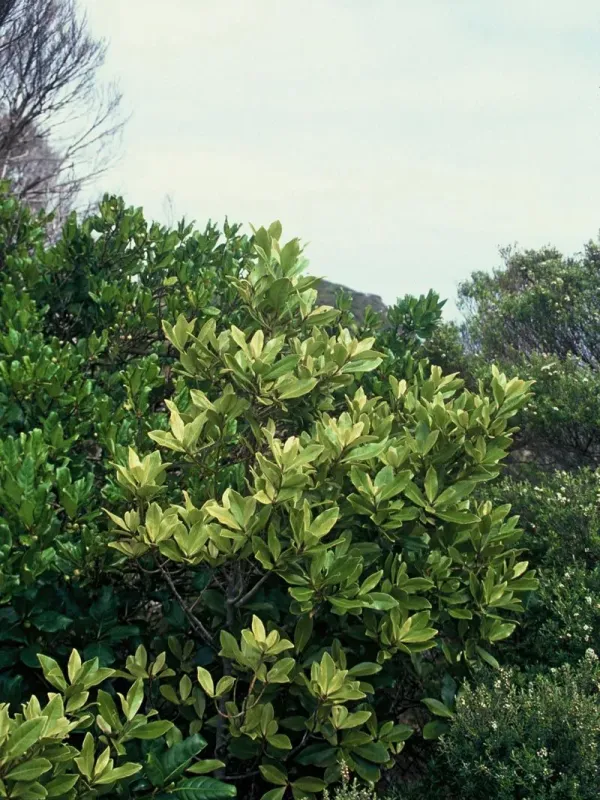
Description
Growing requirements
Myrsine oliveri is a distinct species belonging to the Myrsinaceae family. As an evergreen plant, it is known for its compact growth habit and glossy foliage, native to the diverse landscapes of New Zealand.
The species thrives in mild, temperate climates that mimic its natural habitat. It requires consistent moisture and protection from harsh weather conditions, particularly severe frosts that can damage younger plant tissues.
Soil requirements for optimal growth involve a well-draining, nutrient-rich substrate. A slightly acidic to neutral soil profile ensures that the plant can effectively uptake necessary minerals for healthy development.
Regarding light, this plant prefers dappled shade or indirect sunlight. Direct, high-intensity light should be avoided during peak hours, as it can cause chlorophyll degradation and leaf scorch in sensitive specimens.
Cultivation practices involve regular monitoring of moisture levels, balanced fertilizing during the active growing season, and proper spacing to allow for adequate airflow around the plant's canopy.
Main diseases and pests
Common horticultural threats to this species include infestation by aphids and scale insects, which tend to congregate on the stems and the undersides of leaves, extracting vital plant sap.
Overwatering or poor soil drainage can trigger the development of pathogenic fungi, leading to root rot, which is often difficult to reverse once the damage becomes severe.
Integrated pest management is recommended, focusing on biological controls or targeted insecticidal soaps to minimize the impact on the plant's delicate evergreen structure.
Regular sanitation of the growing environment is essential to prevent the spread of spores and pests, ensuring the long-term viability and ornamental value of the culture.
Early intervention remains the most effective strategy; identifying symptoms like leaf yellowing or stunted growth allows growers to apply remedies before the infestation compromises the entire plant.