
Myrsine cubana
Myrsine cubana
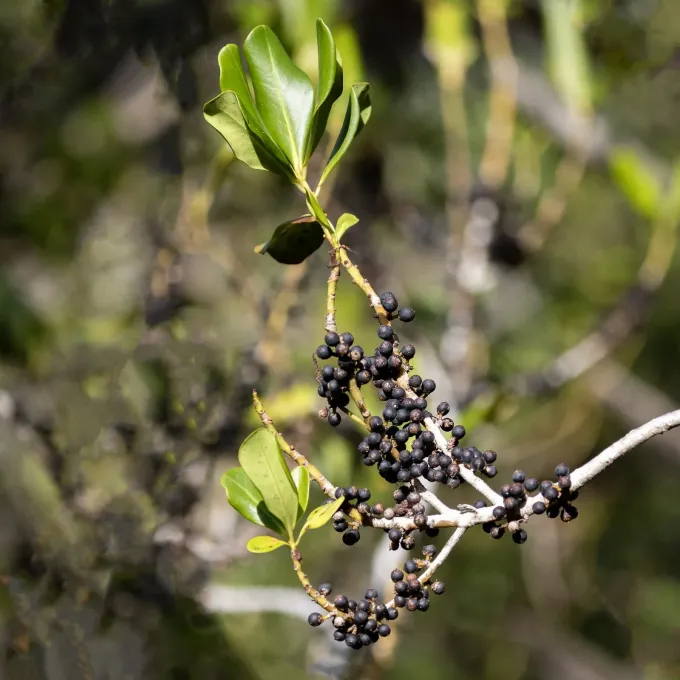
Description
Growing requirements
Myrsine cubana is a resilient evergreen shrub belonging to the Primulaceae family. Native to the tropical environments of the Caribbean, it has established itself as an attractive ornamental species for warm climates and protected conservatory settings.
The plant thrives in well-draining, nutrient-rich soil with a slightly acidic to neutral pH profile. Providing an excellent drainage system is essential, as the roots are susceptible to rotting if left in water-logged conditions for extended periods.
As a tropical species, it requires a warm environment with temperatures consistently above 15 degrees Celsius. It should be placed in areas protected from cold drafts and frost, which can cause severe damage or death to the plant's vascular tissues.
Light management is crucial; while the plant enjoys high light intensity, it prefers bright, indirect sunlight. Direct noon sun can lead to leaf scorching, so maintaining a dappled shade or using light filtration is highly recommended for optimal health.
Watering practices should balance soil moisture without creating saturation. During the growing season, consistent moisture is vital, while in the dormant winter months, water intake should be significantly reduced to match the slower metabolic rate.
Main diseases and pests
Common pests affecting Myrsine cubana include mealybugs and spider mites, which typically target the succulent new growth. These pests can rapidly multiply in warm, dry environments, necessitating regular inspection of the leaf underside.
Fungal pathogens such as leaf spot are frequently observed when humidity levels are excessive and airflow is restricted. Implementing regular pruning to open up the canopy can significantly improve ventilation and mitigate this risk.
Root rot is the most serious threat to plant viability, usually resulting from over-watering or poor soil drainage. If symptoms appear, immediate repotting into fresh, airy substrate and pruning away the infected roots may be required.
Environmental stress, such as sudden temperature fluctuations or exposure to dry heating air, can make the plant more susceptible to opportunistic infections. Maintaining stable conditions helps the shrub preserve its natural defense mechanisms.
Using integrated pest management (IPM) strategies is the most effective approach for long-term care. This includes using biological controls or mild soap solutions early in the season to prevent the buildup of major pest populations.