
Chatham Island Myrsine
Myrsine chathamica F. Muell.
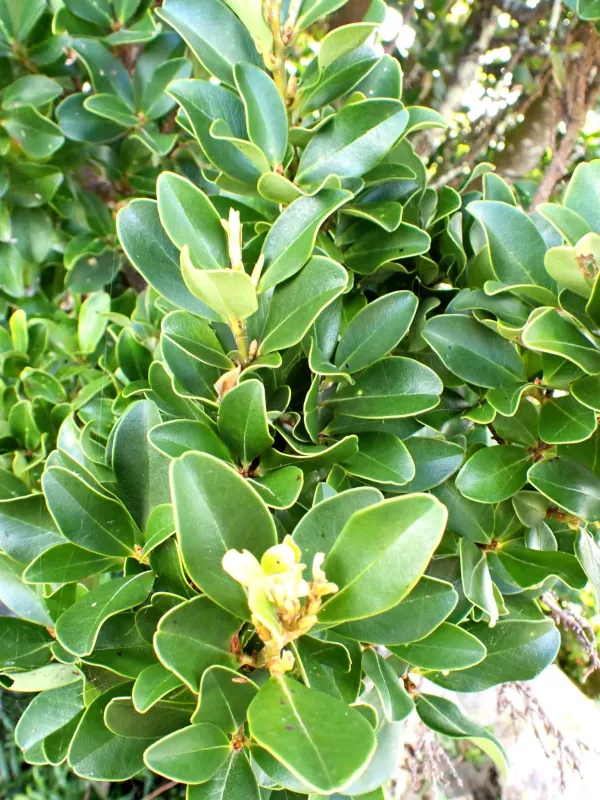
Description
Growing requirements
Chatham Island Myrsine (Myrsine chathamica) is a distinct evergreen species belonging to the Primulaceae family. It is endemic to the Chatham Islands of New Zealand, known for its ability to thrive in challenging coastal environments.
The plant is recognized by its dense, glossy foliage and robust structural growth. It serves as a classic example of island flora that has evolved to withstand high wind exposure and saline environmental conditions prevalent in its native range.
In cultivation, this species prefers well-draining, nutrient-rich soils that maintain consistent moisture without becoming waterlogged. Successful growth depends on selecting a site that allows for adequate soil aeration and avoids heavy clay compaction.
Climate requirements for the Myrsine chathamica are specific to mild, maritime-like settings. It thrives best in temperate regions where fluctuations between extreme cold and heat are minimal, ensuring stable development throughout the seasons.
Economically, the shrub is primarily utilized in sustainable landscape architecture. It is highly valued for creating wind-resistant screens and ornamental hedges in coastal gardens, providing both privacy and ecological stability to local sites.
Main diseases and pests
The most common health issues for the Chatham Island Myrsine are related to moisture management, specifically root rot pathogens. Excessively wet soil prevents roots from breathing, leading to rapid decline if drainage is not promptly improved.
Insect pests such as scale insects and aphids often target the plant, feeding on sap and potentially weakening the branches. Regular monitoring and physical removal or the use of horticultural oils can effectively manage these populations.
Fungal leaf spots can occasionally develop during periods of high humidity and stagnant air. Enhancing air circulation around the plants and avoiding overhead watering techniques can significantly reduce the risk of these foliage issues.
Nutrient deficiencies often manifest as chlorosis or stunted growth, necessitating a balanced fertilization strategy. It is crucial to monitor soil pH and provide specific micronutrients if the foliage loses its characteristic deep green color.
Environmental stress from extreme frost can lead to dieback in younger, less established specimens. Providing temporary shelter or wind protection during particularly cold winters is recommended to maintain the structural integrity of the plant.