
Kermadec myrsine
Myrsine kermadecensis Cheesem.
Description
Growing requirements
Kermadec myrsine (Myrsine kermadecensis) is a hardy evergreen shrub or small tree belonging to the Primulaceae family. Native to the remote Kermadec Islands, this plant has evolved to survive in specific maritime environments, exhibiting high tolerance for coastal conditions.
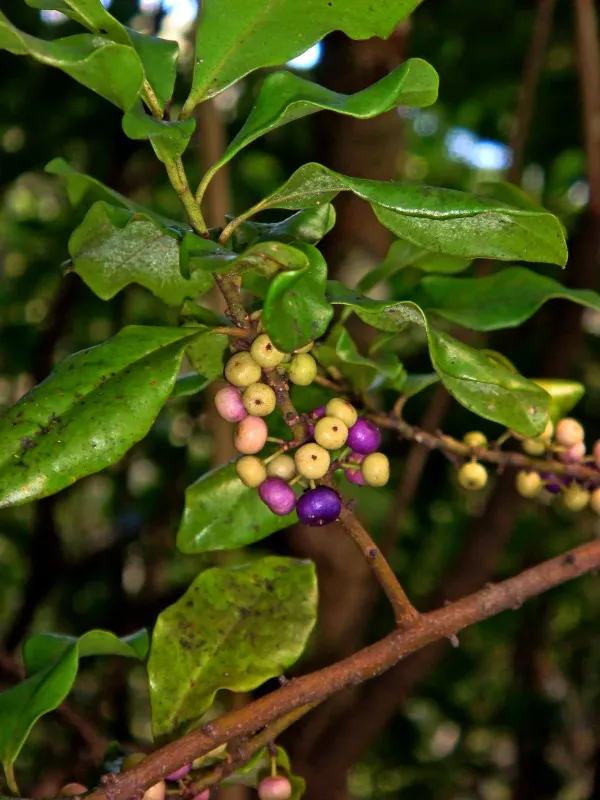
Botanically, the plant is characterized by its thick, leathery, dark green leaves that are arranged spirally on stems. This structural adaptation allows it to retain moisture and survive in windy habitats, making it a robust choice for coastal ornamental landscapes.
When cultivating this species, it is essential to provide well-draining, slightly acidic to neutral soil. Poorly drained conditions often lead to root rot, which is the most common reason for failure when trying to establish the crop in non-native soil types.
Kermadec myrsine prefers locations with partial shade to full sun, provided it is protected from intense, scorching heat. It thrives in temperate, humid climates where frost events are infrequent or light, typical of its island origin.
Agronomic management includes regular watering during dry spells and the application of slow-release fertilizers to support leafy growth. Pruning should be carried out periodically to maintain a compact habit and improve airflow through the dense foliage.
Main diseases and pests
The primary threat to Kermadec myrsine is root pathogens, particularly Phytophthora, favored by stagnant water in the soil. Proper site selection and avoiding waterlogged conditions are the best preventive measures for maintaining plant health.
Pests such as scale insects and spider mites are known to infest the plant, especially when it is grown in environments with low humidity. These pests suck sap from the leaves, causing chlorosis and potentially premature leaf drop if not managed.
Fungal diseases like powdery mildew can occur when humidity levels are high and air circulation is restricted. Using fungicides and ensuring sufficient spacing between plants can significantly reduce the risk of infection in horticultural settings.
Nutrient deficiencies, particularly magnesium or iron, can cause yellowing of the foliage, which weakens the plant's natural defense mechanisms. Periodic soil testing and foliar feeding can correct these issues effectively.
Regular monitoring of the foliage and stems is vital for early detection of potential outbreaks. By maintaining a clean and well-aerated growing environment, the risk of pests and diseases is kept to a minimum, ensuring the long-term vitality of the plants.