
Myrsine nummularia
Myrsine nummularia Hook. f.
Description
Growing requirements
Myrsine nummularia is a low-growing, mat-forming evergreen shrub belonging to the Primulaceae family. Native to the mountainous regions of New Zealand, this plant is well-adapted to cool, misty environments and rocky terrains.
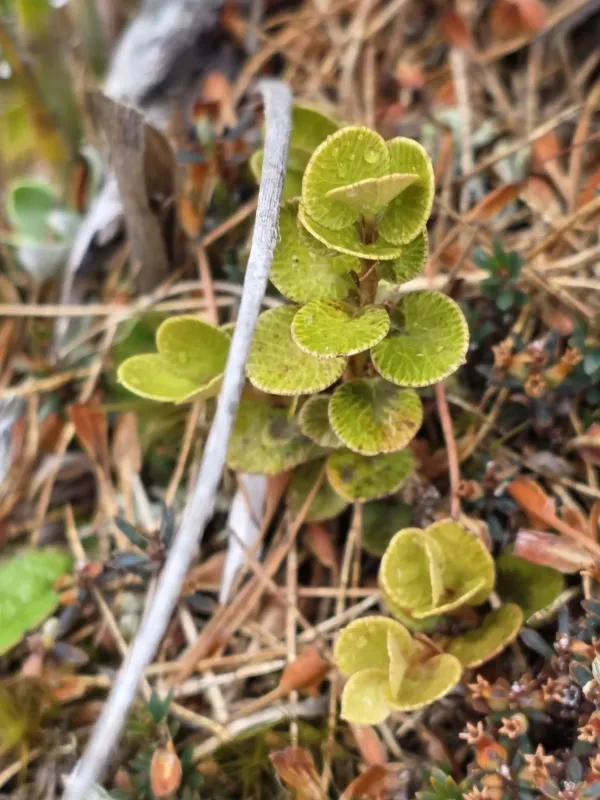
Its morphological features include wiry, creeping stems covered with small, leathery, circular leaves, which resemble small coins. This compact habit makes it a highly sought-after species for collectors and landscape architects designing rock gardens and alpine displays.
The plant requires a well-draining, gritty soil mix that mimics its natural habitat. It thrives in locations with partial shade, especially during the hottest part of the day, as intense sunlight can scorch the foliage and cause stress.
Climatic preferences for this species are centered on cool summers and high humidity. It is not suitable for regions with high heat and arid conditions unless provided with artificial cooling and frequent misting.
Agricultural management of the plant involves careful water control. It should be kept moist but never waterlogged; proper drainage is the single most important factor to prevent root decay in this delicate species.
Main diseases and pests
The most significant threat to Myrsine nummularia is root rot, caused by fungal pathogens that thrive in saturated soil conditions. Ensuring perfect drainage is the primary defense against these diseases.
Pests such as spider mites may become problematic during warm, dry spells, especially if the plant is kept in containers with poor air circulation. Regular inspection is advised to catch infestations early.
Powdery mildew can occur in stagnant, humid environments, necessitating the placement of the plant in an area with good airflow to prevent fungal spread on the foliage.
Young plants are particularly vulnerable to soil-borne pathogens; therefore, using sterilized soil substrates is a recommended practice for propagation and initial planting.
Winter care is vital; while the plant is alpine in nature, excessive moisture combined with cold temperatures can damage the root system, making winter protection against freezing rain necessary.