
Weeping mapau
Myrsine divaricata A. Cunn.
Description
Growing requirements
Weeping mapau (Myrsine divaricata) is an evergreen shrub belonging to the Primulaceae family. Native to New Zealand, this species is typically found in forest margins and shrublands, where it thrives in environments with high annual precipitation and consistent humidity levels.
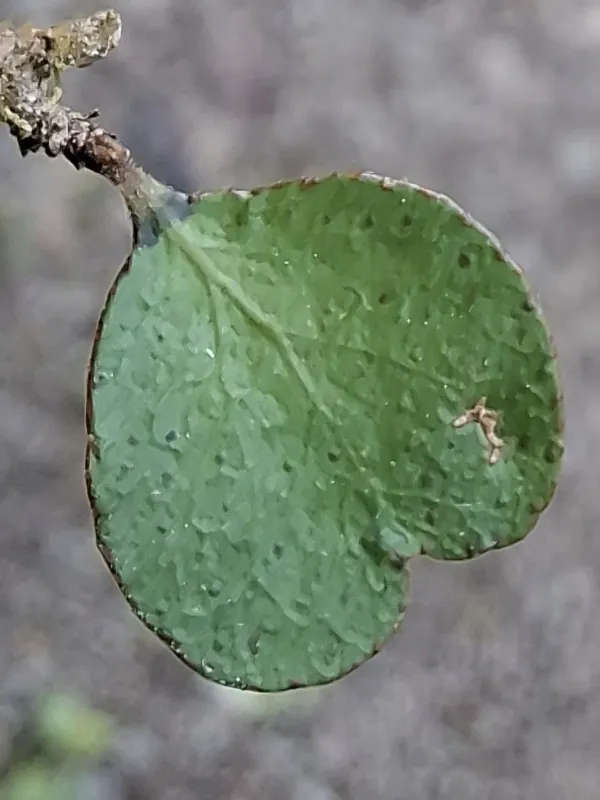
The plant is distinguished by its unique branching habit, where twigs grow at right angles, creating a dense, tangled, and wiry canopy. It features small, leathery, heart-shaped leaves that remain dark green throughout the seasons, contributing to its status as an attractive ornamental plant.
To ensure successful cultivation, the crop requires well-drained, slightly acidic soil rich in organic matter. Waterlogged conditions are detrimental to the root system, making the installation of a high-quality drainage layer essential for container-grown specimens or heavy garden soils.
Myrsine divaricata favors a cool, temperate climate. While it possesses some degree of frost tolerance, it is best suited for regions with mild winters, as extreme temperature fluctuations can cause significant stress to the foliage and affect the overall vitality of the plant.
In terms of хозяйственное usage, the species is highly valued in landscape design. Its slow-growing nature makes it an excellent candidate for formal hedging and topiary, requiring only occasional maintenance to maintain its compact and intricate architectural appearance.
Main diseases and pests
The most common physiological threat is root rot, primarily occurring due to poor soil aeration or excessive irrigation. It is critical to allow the top layer of soil to dry out slightly between waterings to maintain a healthy root environment and prevent fungal proliferation.
Pest issues often include infestations of scale insects or spider mites, particularly when the plant is kept in dry, indoor environments. Regular monitoring, manual cleaning of the foliage, and the application of appropriate horticultural oils or systemic insecticides are effective measures for control.