
New Zealand myrsine
Myrsine salicina Heward
Description
Growing requirements
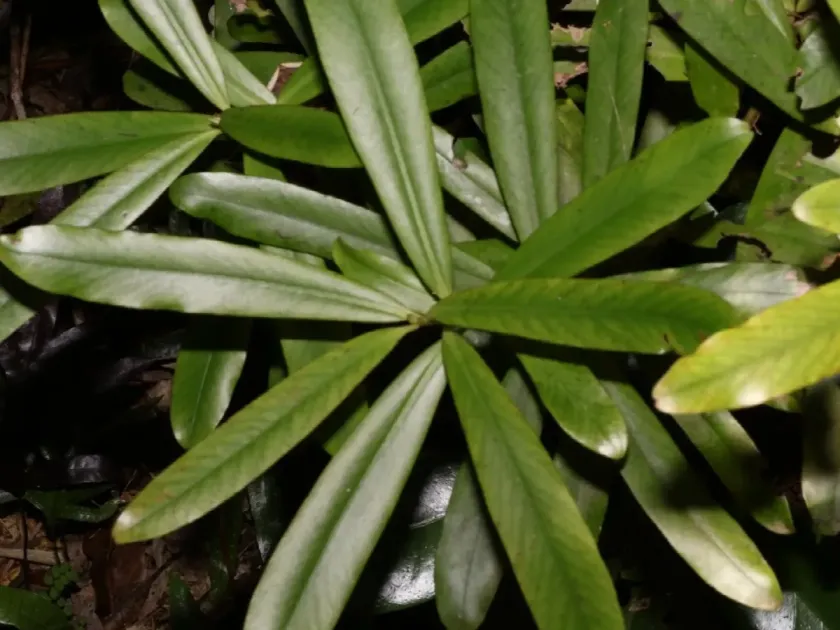
Myrsine salicina, commonly known as New Zealand myrsine or 'toro', is a prominent member of the Primulaceae family. Native to New Zealand, it is a decorative evergreen tree or shrub valued for its glossy, willow-like foliage that creates a sophisticated aesthetic in temperate landscapes.
This species thrives in well-drained, fertile soils with a neutral to slightly acidic pH level. It requires a location protected from harsh, drying winds, which can cause significant leaf damage, especially in younger, more tender specimens.
Watering requirements are moderate; the plant prefers consistently moist soil but cannot tolerate waterlogging, which quickly leads to root rot. Mulching around the base is highly recommended to retain soil moisture during hotter months and to suppress weed competition.
Light preferences shift as the plant matures; while seedlings and young shrubs benefit from partial shade, adult trees often perform best in light, dappled sunlight. Overexposure to intense, direct afternoon sun should be avoided to prevent foliar scorching.
Cultivation practices include occasional light pruning to encourage denser foliage growth and maintain a structural shape. Propagation is typically achieved through semi-hardwood cuttings treated with rooting hormones, placed in a stable, humid environment.
Main diseases and pests
Root rot caused by fungal pathogens is the most significant threat to the health of Myrsine salicina. Proper drainage is the primary defense against these soil-borne organisms, making site selection critical for long-term survival.
Scale insects and mealybugs are the most common pests found on this plant. They tend to congregate along the stems and the undersides of leaves, extracting sap and reducing the plant's overall vigor. Treatment usually involves horticultural oils or insecticidal soap.
In humid or poorly ventilated conditions, leaf spot diseases may appear as localized discolored patches. Removing infected foliage and thinning the crown to improve airflow can help manage the spread of the fungus effectively.
Nutrient deficiencies can manifest as chlorosis, often caused by an incorrect soil pH that prevents the uptake of iron or magnesium. Testing the soil and applying balanced, slow-release fertilizers can restore the lush green color of the leaves.
Regular inspection of the plant during the growing season is essential for early pest detection. Keeping the area free of debris helps minimize the reservoir for overwintering pests and disease spores in the immediate vicinity.