
Myrsine coxii
Myrsine coxii Cockayne
Description
Growing requirements
Myrsine coxii is a rare species of evergreen shrub belonging to the Primulaceae family. Native to the Chatham Islands of New Zealand, this plant is a distinct representative of the archipelago's unique botanical diversity.
The plant thrives in well-drained, slightly acidic to neutral soils enriched with organic matter. In its natural setting, it prefers sheltered microclimates that provide protection from excessive wind exposure, which is crucial for its delicate growth patterns.
Climatic requirements focus on a mild, maritime environment with consistent humidity levels. The species is sensitive to harsh frosts, which limits its outdoor cultivation to temperate, frost-free regions or controlled greenhouse environments.
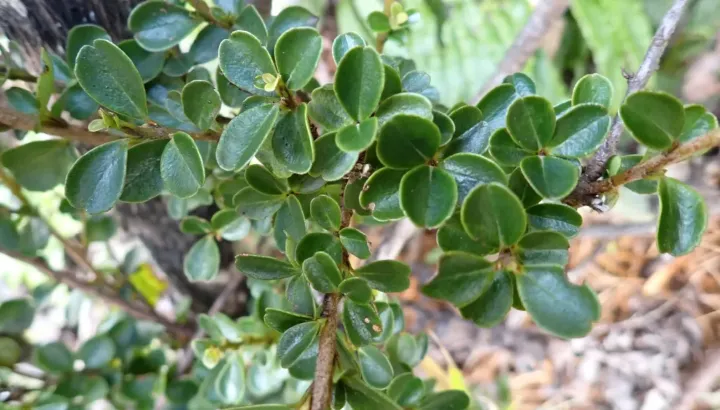
Botanically, Myrsine coxii is characterized by its dense, compact habit and coriaceous, dark green foliage. The plant produces small, inconspicuous flowers followed by berries, showcasing the typical morphology of the Myrsine genus.
In terms of хозяйственное (economic) use, the plant serves primarily as an ornamental specimen in botanical collections and specialized landscaping projects. Its natural tolerance to coastal salt spray makes it a valuable species for seaside garden designs.
Main diseases and pests
Common pests affecting Myrsine coxii include scale insects and spider mites, particularly when kept in confined indoor or greenhouse conditions. Regular misting and proper spacing help prevent large-scale infestations.
Root rot remains the most significant threat to the plant's health, typically resulting from poor soil drainage or overwatering. Proper drainage management is essential to ensure the root system receives adequate aeration throughout the year.
Fungal diseases like powdery mildew can occur if air circulation is insufficient within the dense canopy. Pruning the inner branches helps increase airflow, which reduces the moisture accumulation required by fungal spores to germinate.
Nutrient imbalances may manifest as chlorosis or stunted growth, requiring a precise fertilization schedule tailored to the specific needs of Primulaceae. Monitoring the pH of the growing medium is also vital for optimal nutrient uptake.
Early detection is the key to maintaining a healthy specimen. Frequent inspections of the leaf undersides and branch forks allow for the early removal of pests or diseased sections, preserving the overall structural integrity of the plant.