
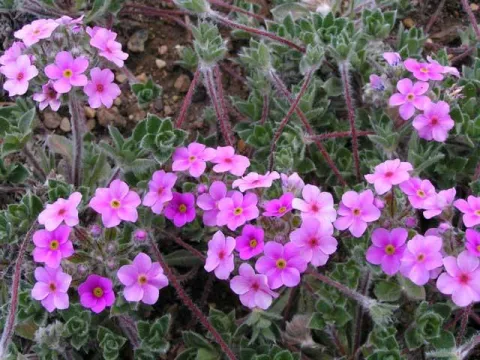
Androsace mathildae
Androsace mathildae
Androsace mathildae, commonly known as a type of rock jasmine, is a perennial herbaceous plant belonging to the Primulaceae family. It is endemic to the high-altitude mountain ranges of the Apennines in Italy, where it thrives in exposed, rocky habitats.
What the section contains
Androsace mathildae
Botanically, the plant is characterized by a cushion-forming growth habit. It develops tight rosettes of leaves and produces small, delicate flowers that emerge just above the foliage, creating a distinct aesthetic appeal for rock garden enthusiasts.
Successful cultivation requires mimicry of its alpine environment. The plant demands a highly porous, well-drained substrate that prevents any accumulation of moisture around the root zone. A mix of grit, sand, and lean soil is considered the best medium.
Regarding climate, Androsace mathildae prefers cool, airy conditions. While it requires full sunlight to remain compact, it is essential to protect it from extreme heat and intense afternoon sun during midsummer, which can cause significant stress.
In terms of хозяйственное использование (horticultural usage), this plant is strictly ornamental. It is a prized specimen for alpine house collections and specialized rock gardens, valued for its rarity and its ability to withstand low temperatures in mountainous regions.
The primary threats to the health of Androsace mathildae are soil-borne pathogens, specifically fungal rots that occur due to stagnant water. Proper drainage and surface ventilation are critical to mitigating these risks.
Common pests include spider mites, which can appear during hot and dry spells, and occasionally aphids. Control measures should focus on environmental management, such as gravel mulching to keep the foliage dry, rather than excessive chemical application.