
Lehmann's Rock Jasmine
Androsace lehmanniana
Description
Growing requirements
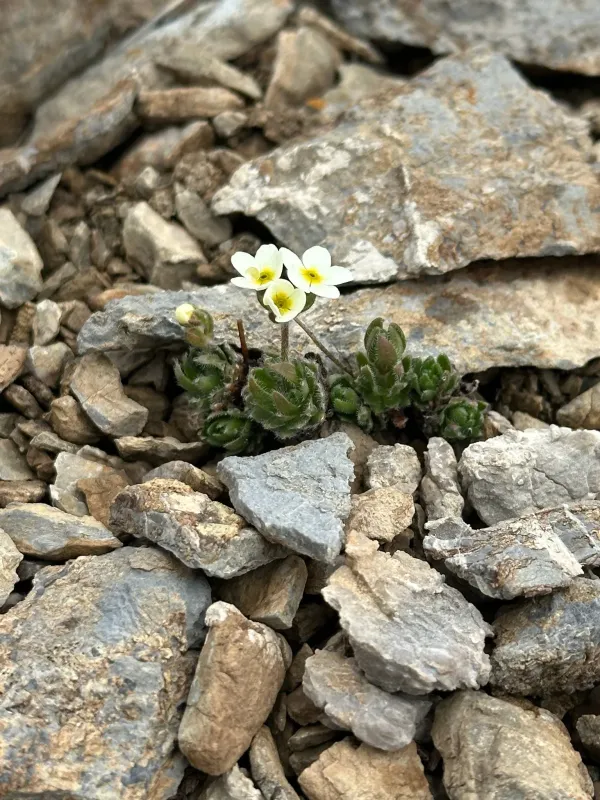
Lehmann's Rock Jasmine (Androsace lehmanniana) is a perennial plant species belonging to the Primulaceae family. It is natively found in high-altitude environments, which dictates its preference for cool, rocky habitats and efficient drainage.
For successful cultivation, the soil must be well-drained and gritty, with a low nutrient content. Androsace lehmanniana thrives in mineral-based substrates that prevent the roots from remaining in stagnant water, which is a primary cause of plant failure.
Climate requirements involve bright, indirect sunlight and good air circulation. While the plant is hardy, it requires protection from excessive heat during the summer months, which can cause severe physiological stress to the delicate foliage.
Agrotechnical practices focus on controlled irrigation and limited fertilization. Over-fertilizing, especially with nitrogen, is strictly discouraged as it promotes succulent, fragile growth that reduces the plant's natural resistance to cold and pests.
In terms of economic and horticultural use, this species is highly sought after by collectors for rock gardens and trough gardening. It provides significant decorative value due to its tight, cushion-forming growth habit and profuse blooming periods.
Main diseases and pests
The primary threats to Androsace lehmanniana are fungal infections, such as root rot and leaf spot, which are almost exclusively caused by excessive soil moisture and poor drainage.
Common agricultural pests like spider mites may infest the plant during hot and dry spells if the humidity levels are not properly managed, leading to leaf discoloration and stunted growth.
Gastropods, including slugs and snails, pose a significant threat to the soft tissues of the plant, often requiring the use of protective barriers like gravel mulch or molluscicides.
Damping-off, a common disease in young specimens, can occur if the growing medium is contaminated or kept consistently damp, highlighting the need for sterile conditions during propagation.
Maintaining a dry crown is essential; therefore, mulching the area immediately surrounding the base of the plant with coarse grit or stone chippings is a standard practice to prevent crown rot.