
Globular Rock Jasmine
Androsace globifera
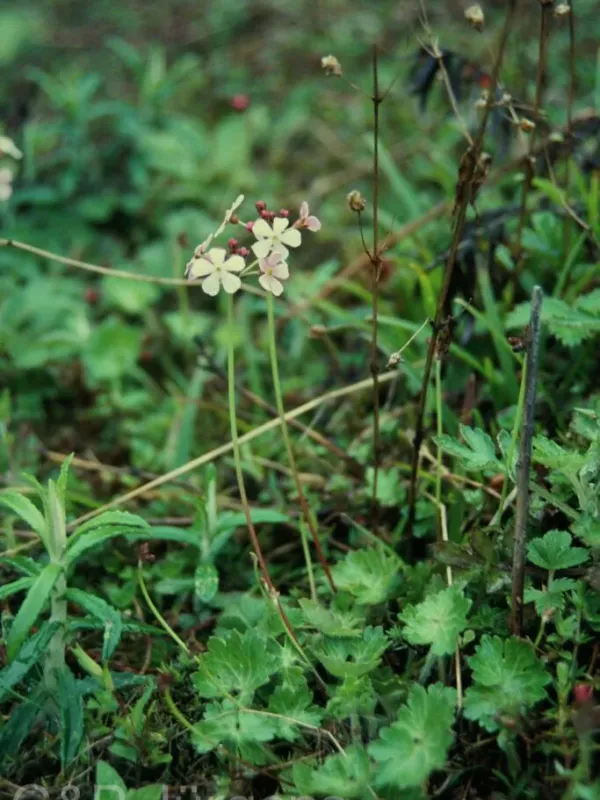
Description
Growing requirements
Androsace globifera, commonly known as Globular Rock Jasmine, is a species of flowering plant in the Primulaceae family. It is native to high-altitude regions in the Himalayas, where it thrives in rocky crevices and gravelly slopes under harsh, cold conditions.
The plant is characterized by its distinct, tight, globular rosettes that resemble moss cushions. These rosettes are composed of small, overlapping leaves, which provide natural protection against extreme wind and cold temperatures common in its native habitat.
Cultivation requires replicating these challenging conditions. The most critical requirement is perfect drainage. The soil must be gritty and mineral-based, typically a mix of loam, sand, and stone chips. Planting in standard garden soil will almost certainly lead to the plant's demise.
Sunlight exposure should be abundant, but the plant benefits from protection against scorching afternoon heat. In a garden setting, placing the plant on a north-facing slope of a rock garden helps to mitigate excessive transpiration while providing enough light for healthy growth.
The growth rate of this species is slow, making it a perfect candidate for containers or troughs. Watering should be done cautiously, preferably from below or directly at the base, ensuring that the leaves remain dry to prevent moisture-related issues.
Main diseases and pests
Fungal pathogens are the primary concern for Androsace globifera. Root and crown rots are common, especially when humidity levels are high or drainage is insufficient. These diseases can progress very rapidly, destroying the entire plant structure in a matter of days.
Pests such as aphids may occasionally attack the soft growth during the flowering season. While rarely fatal, infestations can weaken the plant, making it more susceptible to environmental stressors and secondary fungal infections.
Winter wetness is the greatest threat to this alpine species. To protect the plant, gardeners often use small glass panes or cloches to cover the plants during the dormant season, ensuring the rosette stays dry even if the environment is cold.
Maintenance should prioritize hygiene in the rock garden. Clearing away debris and organic matter around the base of the plant reduces the risk of pathogens finding a foothold and helps to maintain the dry, clean environment the plant requires.
If chemical intervention is necessary, use fungicides labeled for ornamental alpine plants and apply them during the early stages of disease development. Always ensure that the soil has dried out significantly before applying any liquid treatments.