
Androsace elongata
Androsace elongata
Description
Sowing dates
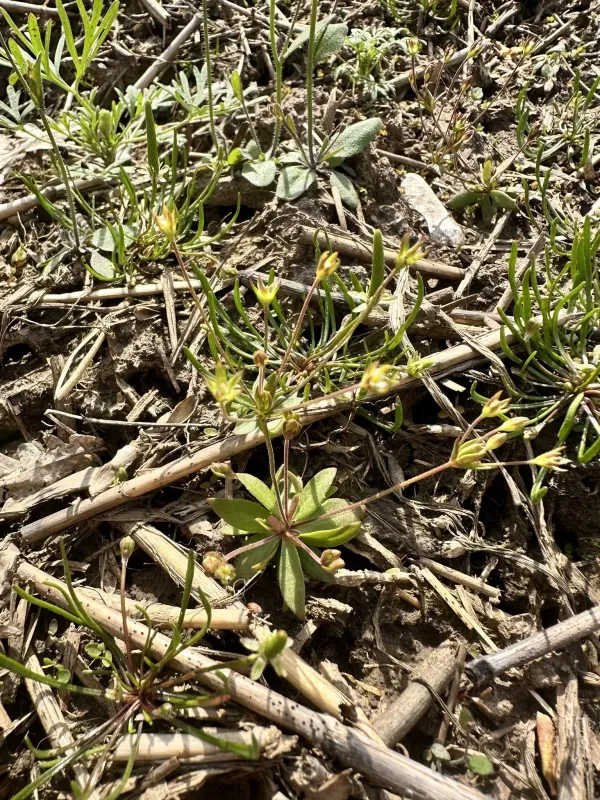
Androsace elongata, commonly known as elongation rock jasmine, belongs to the Primulaceae family. It is an annual herbaceous plant often recognized for its medicinal potential and suitability for rock gardens or specialized small-scale production.
The sowing process typically begins in early spring. The seeds are extremely tiny, requiring precise shallow placement into fine-textured soil at a depth of approximately 0.5 centimeters.
For agricultural production, seeds are sown in rows spaced 20 to 30 centimeters apart. This spacing allows for optimal light penetration and facilitates easier weed management throughout the growing season.
Soil temperature should be between 8 and 12 degrees Celsius for successful germination. Light irrigation post-sowing is recommended to ensure the seeds remain in contact with the moist soil without being washed away.
Fall sowing is also a viable option in milder climates, as it allows seeds to naturally vernalize during the winter months, leading to more vigorous growth during the subsequent spring season.
Growing requirements
This crop thrives in well-drained, sandy or loamy soils. It has a low tolerance for waterlogged conditions, making proper soil drainage the most critical factor for successful cultivation and root health.
Full sun exposure is required for the plant to reach its full vegetative potential. In shaded environments, the plant tends to become spindly, which significantly reduces the quality of the raw material.
Temperature-wise, it prefers mild conditions ranging from 15 to 22 degrees Celsius. Extreme heat can force the plant into an early flowering stage, thereby shortening its overall productive life cycle.
The plant is relatively drought-tolerant once established. However, during the rosette formation stage, consistent soil moisture is essential to prevent physiological stress and promote healthy development.
Soil pH should remain near neutral. Excessive fertilization is generally unnecessary and may even be counterproductive, as the plant is well-adapted to nutrient-poor, stony environments.
Main diseases and pests
Fungal pathogens are the primary threat, particularly under humid conditions or poor air circulation. Root rot and damping-off disease are common culprits when soil drainage is not properly managed.
Aphids and spider mites may target the foliage, especially during hot and dry spells. Integrated pest management, focusing on biological controls, is highly recommended to protect the crop's integrity.
Powdery mildew is a common concern in dense plantings. To mitigate this risk, farmers must ensure proper spacing between plants to allow for maximum airflow through the crop canopy.
Slugs and snails can cause significant damage to young leaves during wet weather. Utilizing physical barriers such as copper tape or organic baits can protect the plants from these pests.
Weed competition is significant for Androsace elongata due to its relatively slow initial growth rate. Maintaining a weed-free field during the first four to six weeks of development is vital.
Harvesting
Harvesting is typically conducted at the peak of the flowering stage, as this is when the concentration of medicinal compounds within the plant tissues is at its highest.
The aerial parts of the plant are harvested using mechanical mowers or hand-cutting tools. It is essential to perform this task in dry weather conditions to prevent spoilage during the drying phase.
After harvesting, the biomass should be spread thinly in a cool, dark, and well-ventilated area for uniform drying. Temperatures during the drying process should be strictly controlled to maintain quality.
Once dried to a moisture content of approximately 10 percent, the material should be packaged in airtight containers or breathable fabric bags, depending on the intended storage duration.
Seed collection for future cycles is performed separately. Once the seed capsules turn brown and begin to open, they should be carefully gathered to prevent excessive seed loss on the ground.