
Androsace lactiflora
Androsace lactiflora
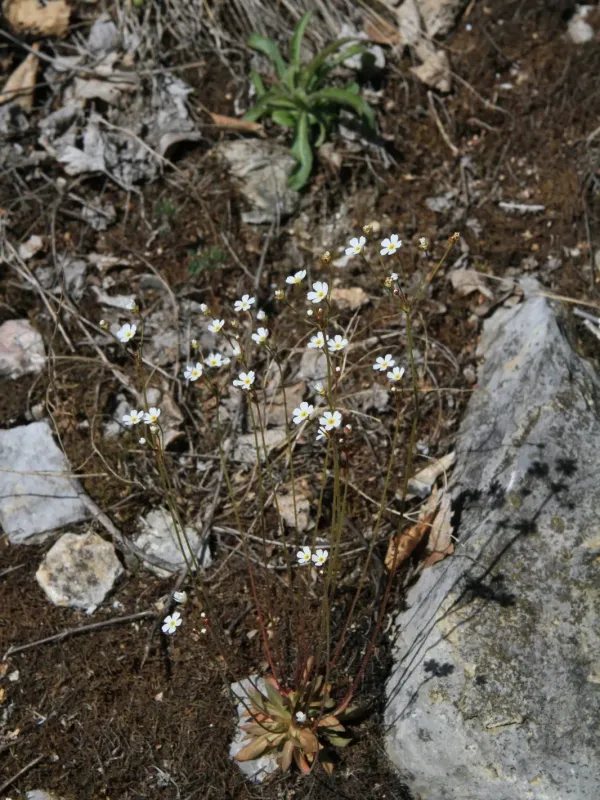
Description
Sowing dates
Androsace lactiflora, commonly known as a type of rock jasmine, belongs to the Primulaceae family. This annual plant is typically propagated by seeds, which require specific conditions to break dormancy and ensure high germination rates.
Sowing should take place in late autumn for winter stratification, or early spring after a period of cold treatment. Seeds are very fine and should be surface-sown on a well-draining, sterile, grit-based substrate.
When sowing indoors, maintaining a cool environment is essential. Seeds should not be buried deeply; instead, they should be lightly pressed into the soil to maintain good contact while allowing light to penetrate for germination.
Once seedlings have developed their first true leaves, they should be carefully pricked out into individual small pots. Avoid damaging the delicate root system, as Androsace species often struggle with root disturbance.
Transplanting into the permanent garden location should occur after the danger of severe frost has passed. Ensure the planting site mimics the natural, well-draining conditions of the plant's native alpine habitat.
Growing requirements
The primary requirement for successful cultivation of Androsace lactiflora is excellent drainage. The plant thrives in rocky, sandy, or gravelly soils that prevent any standing water around the crown of the plant.
Sunlight exposure is crucial; the plant performs best in full sun, although in extremely hot climates, partial shade during the hottest hours of the day can help prevent stress and dehydration.
Soil pH should ideally be neutral or slightly alkaline. Incorporating limestone chips or crushed gravel into the growing medium helps maintain the desired soil structure and pH levels for optimal development.
Watering must be approached with caution. While young plants need consistent moisture, established plants are quite drought-tolerant and prefer to dry out between watering sessions to avoid root rot.
Avoid excessive fertilization. Androsace lactiflora is adapted to nutrient-poor alpine soils; high nitrogen levels lead to lush, soft foliage that is susceptible to pests and lacks the compact form typical of the species.
Main diseases and pests
The most significant threat to this species is root rot caused by poor soil drainage and excessive soil moisture. Once crown rot begins, it is often irreversible, necessitating the removal of the plant.
Fungal diseases like botrytis may occur in periods of high humidity or poor airflow. Ensuring that the crown of the plant remains dry by using a layer of fine gravel mulch is an effective preventive measure.
Pests such as aphids may occasionally cluster on the flower stalks during the blooming season. Early detection and the use of insecticidal soaps are usually sufficient to manage these infestations without harming the plant.
Slugs and snails can cause damage to the foliage, especially in damp conditions. Using physical barriers like copper tape or environmentally safe bait can protect the young plants from these common garden pests.
Good cultural practices, such as maintaining proper plant spacing and removing debris from the area, are essential for preventing the buildup of pathogens and ensuring a healthy display of flowers.