
Androsace sarmentosa
Androsace sarmentosa
Description
Growing requirements
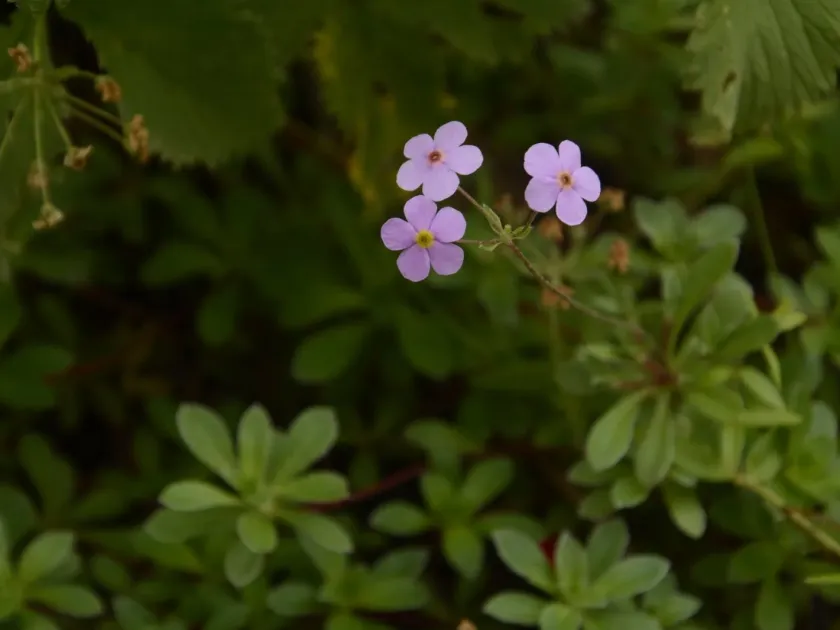
Androsace sarmentosa, known commonly as rock jasmine, belongs to the Primulaceae family. It is a perennial herbaceous plant native to the high-altitude mountainous regions of the Himalayas, well-adapted to rocky crevices and open slopes.
The plant features rosette-forming foliage and develops stolons—slender runners that spread across the ground and take root, allowing the plant to colonize the area efficiently. This makes it a popular choice for rock gardens and scree slopes.
Cultivation requires a well-draining, gritty soil mix with a neutral to slightly acidic pH. Proper drainage is essential, as the plant is highly susceptible to root rot if left in waterlogged conditions during the winter months.
The ideal environment for this species is a site with partial shade or bright, filtered sunlight. While it appreciates cool conditions, it must be protected from scorching midday sun, which can dehydrate the plant and cause leaf scorch.
Standard care involves maintaining consistent moisture without saturating the soil. In winter, protection from excessive rainfall is often necessary to prevent crown rot, which is the primary challenge when growing these alpine species in lowland climates.
Main diseases and pests
Fungal pathogens are the main threat to Androsace sarmentosa. When air circulation is poor or soil moisture is excessive, the plant is prone to botrytis and various crown rots, which can rapidly spread through the rosettes.
Pests such as spider mites may infest the plant during prolonged dry and hot weather. Symptoms include mottled leaves and fine webbing, which require immediate treatment with appropriate miticides or increased humidity around the plant.
Slugs and snails are notorious for feeding on the succulent rosettes. Gardeners often use crushed shells or sharp grit as a mulching layer to deter these pests from reaching the sensitive growing points of the plant.
Preventive maintenance includes keeping the planting area free of dead organic debris, which can harbor fungal spores. Regularly inspecting the stolons ensures that any signs of rot are detected and removed early.
Using systemic fungicides as a preventative measure in early spring can help strengthen the plant's resistance. Ultimately, success relies on mimicking the plant’s natural alpine habitat, where fresh air and sharp drainage are constant.