
Androsace lactea
Androsace lactea
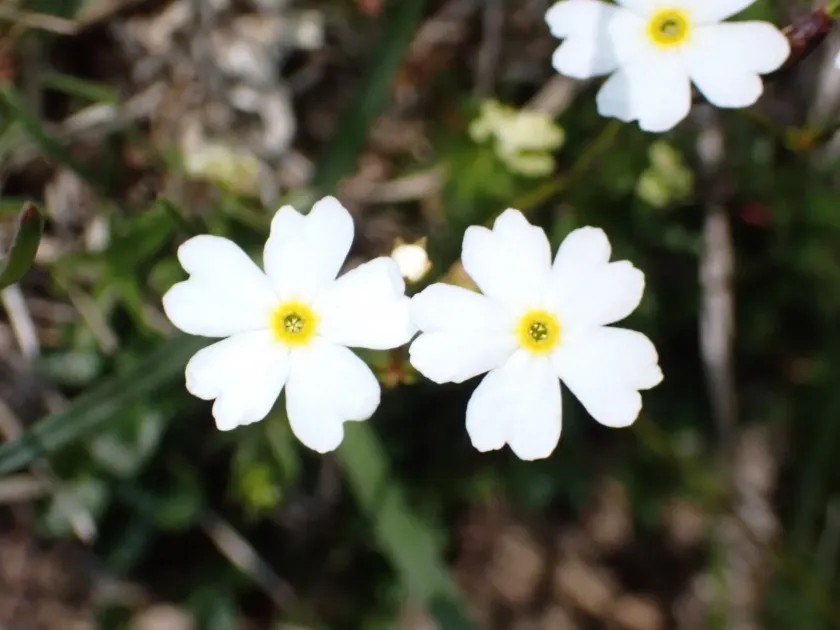
Description
Sowing dates
Sowing Androsace lactea seeds is best performed during the autumn, allowing for a natural cold stratification period throughout the winter months. Seeds should be placed in containers with a sterile, well-draining substrate kept in a cool, protected environment.
For spring sowing, seeds require artificial stratification in a refrigerator at temperatures between +2°C and +5°C for four to six weeks. This process is essential to break dormancy and ensure consistent germination rates for this alpine species.
The seeds are extremely fine and should not be buried deep; scattering them over the surface and pressing lightly is sufficient. A very thin layer of fine sand can be applied to help maintain surface moisture without inhibiting light exposure.
Transplanting seedlings to their permanent location in the rock garden is ideal during late spring. Proper spacing is necessary to encourage healthy airflow and prevent the development of moisture-related issues between established leaf rosettes.
Belonging to the Primulaceae family, this species acts as an excellent perennial for rock gardens and crevice plantings. Its cultivation involves precise management of micro-climatic conditions to ensure the plant thrives in low-land garden environments.
Growing requirements
Androsace lactea requires bright, airy conditions that mimic its native high-altitude habitat. While it enjoys exposure to sunlight, providing light shade during the peak of the afternoon in warmer climates is beneficial for maintaining health.
Soil requirements are strict: the medium must be gritty, poor in organic matter, and possess excellent drainage. Using a mix of sand, gravel, and limestone chippings creates the necessary structure for the root system to survive.
Watering should be moderate; it is crucial to avoid overhead irrigation that might dampen the rosettes, as this often leads to decay. The soil should be allowed to dry out significantly between watering sessions to mimic its native arid slopes.
The plant demonstrates significant winter hardiness but is susceptible to rot caused by excessive moisture during late winter or early spring thaw. Protecting the plant from standing water is the most important factor in its maintenance.
In terms of soil pH, this plant prefers neutral to slightly alkaline conditions. Regular soil testing and the addition of crushed limestone can help maintain the required mineral profile necessary for vigorous growth and flowering.
Main diseases and pests
Root rot is the primary threat to Androsace lactea, typically resulting from waterlogged soil or poor drainage. Once decay reaches the root collar, the plant rarely recovers, making preventative maintenance regarding water management critical.
Nematodes are a significant underground pest that can severely damage the root system. Infestation signs include stunted growth and chlorotic foliage, which often necessitates the removal and destruction of the infected specimen to protect surrounding plants.
Powdery mildew can affect the foliage during periods of high humidity and stagnant air. Management includes using systemic fungicides and ensuring that the rock garden layout promotes constant air circulation around the plants.
Slugs and snails represent a constant threat to younger rosettes, often grazing on the leaves and killing the plant before it matures. Barrier methods, such as copper tape or a ring of coarse gravel, are effective deterrents.
General plant health is maintained through rigorous monitoring. By avoiding excessive organic fertilizer and keeping the soil mineral-heavy, the gardener can minimize the risk of most common pests and diseases associated with the species.