
Androsace halleri
Androsace halleri
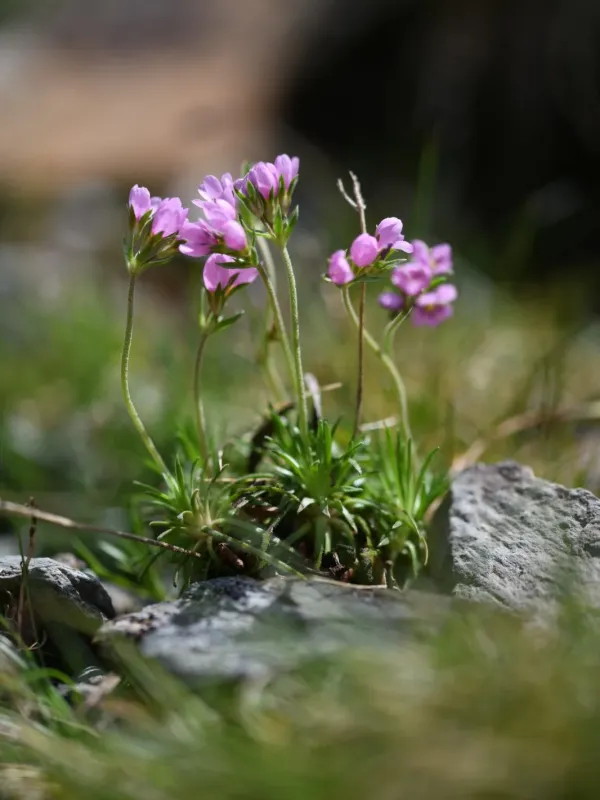
Description
Sowing dates
Sowing seeds of Androsace halleri is most successful when performed in late autumn, as the seeds require a period of cold stratification to germinate.
For greenhouse cultivation, pots can be placed in a cold frame or refrigerator during the winter months to mimic the natural alpine environmental cycle.
Seeds should be sown on the surface of the growing medium, as they require light to stimulate the germination process and should not be buried deeply.
The substrate must be highly permeable, composed of a mixture of coarse sand, grit, and sterile soil to prevent dampening off in seedlings.
Seedling maintenance requires precise watering regimes, ensuring that the soil surface dries out slightly between applications to maintain plant health.
Growing requirements
Androsace halleri is a member of the Primulaceae family, valued for its compact growth habit and suitability for specialized rock garden cultivation.
The species requires full sun exposure and well-drained soils, ideally located on a slope or a raised bed to facilitate rapid water runoff.
Soil pH should range from neutral to slightly alkaline, and the mixture must be exceptionally lean to prevent overly rapid, weak vegetative growth.
Climate conditions should be cool and airy, as the plant suffers in regions characterized by high summer humidity and stagnant heat conditions.
Regular maintenance involves keeping the environment clean and ensuring that no organic debris collects around the tight basal rosettes of the leaves.
Main diseases and pests
The primary horticultural challenge for this species is root rot caused by stagnant water or soil that retains moisture for too long.
Fungal pathogens such as Botrytis may appear if ventilation is inadequate, especially during periods of high humidity or excessive rainfall.
Pests like spider mites can become an issue during dry, hot spells; regular inspection and localized treatment are recommended for effective control.
Excessive fertilization is detrimental to Androsace halleri, as it encourages soft growth that is more susceptible to both environmental stress and pests.
Physical protection against heavy rains and improper moisture management are key factors in preventing the rapid decline of plant health.