
Alpine snowbell
Soldanella alpina
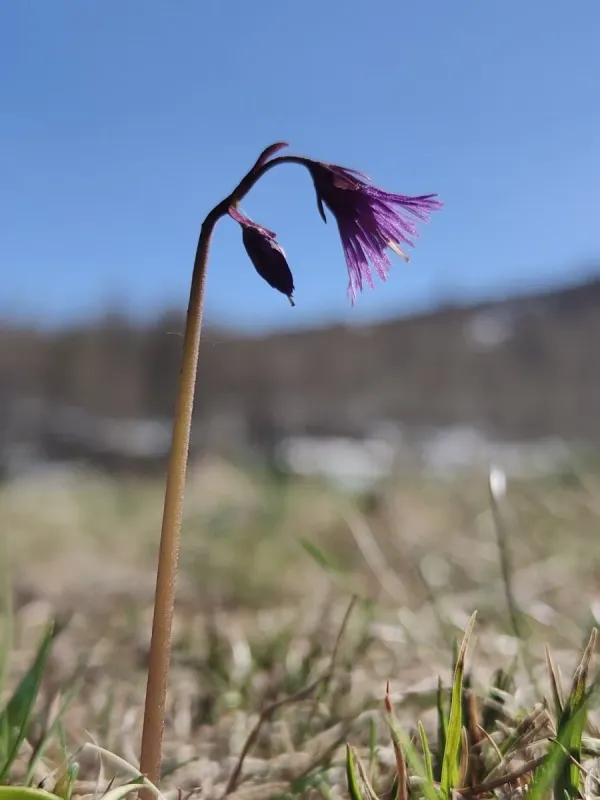
Description
Sowing dates
The propagation of Soldanella alpina is primarily achieved through seeds, which require a cold stratification period to break dormancy. Sowing should ideally occur in late autumn to expose seeds to winter temperatures.
If sowing in spring, seeds must be kept in a refrigerator for at least two to three months at temperatures near freezing. This process mimics the natural alpine winter conditions necessary for successful germination.
The soil used for seeding should be a fine, moisture-retentive, and well-draining mixture. Peat-based substrates with added perlite are often recommended for young seedlings.
Seeds should be surface-sown and only lightly pressed into the soil. Because they are tiny, covering them with soil can inhibit light penetration, which is vital for the germination of this species.
Growth of the seedlings is notoriously slow. It is standard practice to keep the young plants in pots or a nursery frame for at least one full growing season before moving them to the final rock garden location.
Growing requirements
Soldanella alpina is a member of the Primulaceae family. It is naturally found in the high mountains of Europe, thriving in cool, humid alpine environments with consistent moisture.
The plant requires partial shade to protect it from the intense heat of the summer sun. A north-facing slope in a rock garden provides the most suitable microclimate for this species.
The ideal soil is neutral to slightly acidic, rich in humus, and consistently damp. However, it is essential that the soil structure prevents water stagnation, as the roots can quickly rot.
Proper aeration is vital for the health of the leaf rosettes. The soil should be porous, often incorporating grit or stone chips to ensure that the area around the root crown remains well-drained.
While the plant is hardy and well-adapted to cold, it does not tolerate long periods of drought or excessive heat, making irrigation management the cornerstone of its cultivation.
Main diseases and pests
The primary threats to Soldanella alpina are root-rotting fungi caused by improper drainage during periods of heavy rain or winter thaw. Ensuring a steep incline or excellent substrate drainage is critical.
Slugs and snails are the most common pests that pose a threat to the foliage, especially when the new leaves emerge in the early spring. Monitoring these populations is essential for plant survival.
In hot and dry summer conditions, spider mites may become a problem. Maintaining proper humidity levels around the foliage is a natural and effective way to prevent mite infestations.
Lack of airflow in dense plantings can encourage mildew and other fungal infections. Keeping the plants properly spaced is recommended to minimize these risks.
Competition from aggressive, fast-growing weeds can quickly overwhelm the small alpine plants. Regular weeding is necessary to ensure the Soldanella gets adequate space and nutrients.