
Bryocarpum
Bryocarpum
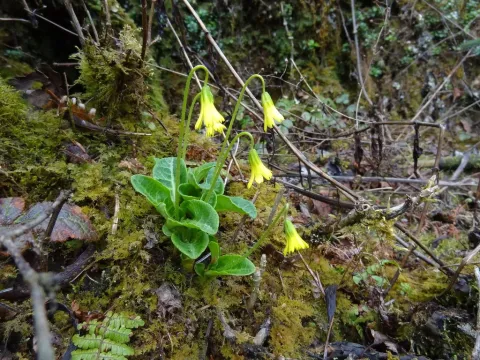
Bryocarpum is a genus of perennial herbaceous plants belonging to the family Primulaceae. The genus is monotypic, meaning it comprises only one recognized species, Bryocarpum himalaicum, which is of significant interest to botanical researchers.
What the section contains

Bryocarpum
The native range of this plant is centered in the high-altitude regions of the Himalayas. It is primarily found in Tibet and neighboring mountainous areas, where it occupies ecological niches characterized by cool ambient temperatures and consistent moisture levels.
Botanically, the plant is recognized by its basal rosette of leaves and a singular, often nodding, bell-shaped flower. The genus name refers to the distinctive moss-like or capsule-like fruit structure that matures and opens to release small seeds.
Cultivation requirements for Bryocarpum are demanding due to its adaptation to harsh alpine conditions. It thrives in light, gritty, and well-draining soils that are rich in organic matter. Proper drainage is the most critical factor to prevent root rot in a domestic or nursery setting.
In terms of environmental management, the species requires shade and protection from extreme temperature fluctuations. It does not tolerate prolonged heat or direct arid conditions, which necessitates the use of specialized environments like alpine houses or shaded rock gardens to ensure survival.