
Ardisia
Ardisia Sw.
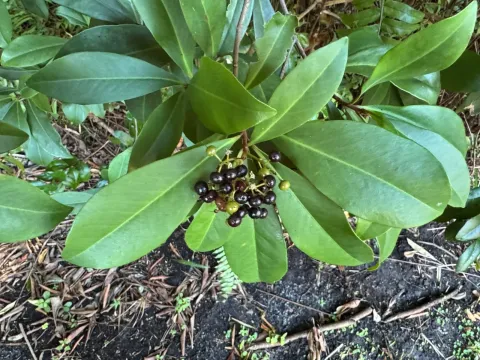
Ardisia (Ardisia Sw.) is a genus of evergreen plants belonging to the Primulaceae family. This genus includes several species known for their ornamental value, particularly their persistent, brightly colored drupes, which are commercially significant in the horticultural industry.
What the section contains


Ardisia
The genus originates from tropical and subtropical regions of Asia, Australia, and the Americas. In agronomic practice, Ardisia is typically grown as a greenhouse or indoor crop, requiring precise management of environmental variables to ensure consistent growth and development.
The crop thrives in fertile, well-draining, and slightly acidic soils. For commercial success, the growing medium must be composed of a balanced mixture of organic matter, peat, and sand, ensuring that the soil structure provides adequate aeration to prevent root rot.
Ardisia requires bright, indirect sunlight for optimal photosynthesis and fruit production. Low-light conditions often result in poor structural integrity, leaf drop, and failure to develop the characteristic berries that define the commercial appeal of the plant.
Irrigation management is critical; the substrate should be kept consistently moist but never waterlogged. Providing stable moisture levels is essential to prevent physiological disorders such as leaf tip burn, which often indicates poor water uptake or high salt accumulation in the root zone.
The most common pests affecting Ardisia are scale insects, mealybugs, and spider mites. These pests thrive in dry conditions and can cause significant damage to the plant's foliage, leading to stunted growth if left unmanaged by integrated pest control practices.
Fungal diseases, including leaf spot pathogens, are frequently observed when environmental humidity levels are excessively high without adequate air circulation. Sanitation practices are paramount in preventing the spread of these pathogens within a production environment.
Chemical control measures should be applied selectively, utilizing fungicides to treat outbreaks of fungal infections. It is highly recommended to monitor the crop daily to detect early signs of infestation and apply targeted treatments before the pest populations reach critical thresholds.
Maintaining proper hygiene by removing dead plant material and ensuring clean tools helps reduce the inoculum density of fungal spores in the greenhouse. This proactive approach is more cost-effective than attempting to eradicate established infections.
Regular fertilization with balanced nutrients supports the plant's natural defense systems. A robust plant is significantly less susceptible to the negative impact of pests and diseases compared to plants suffering from nutrient deficiencies or irregular irrigation regimes.