
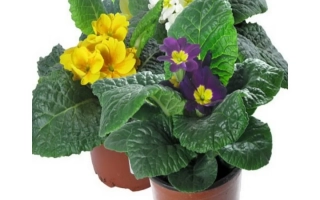

SKU #72899
·
59 views
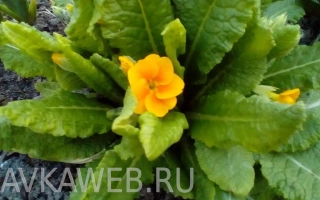
EARLY PRIMROSE
Primula
FANCAUser rating
0 votes0% positive reviews
No ratings yet — be the first.
Assignment
Decorative Flower Bed Arrangement
Flower Color
Yellow
Growing Conditions
Half-Tone
Registration year
2001
Store offers · 2 from 2 stores
Prices are updated on loadLoading offers…
Available at: Добродар · Green Edem · Пролісок · Westgard
Aggregator catalog: prices are collected automatically from store websites, normalized by AI and converted at the current exchange rate. Before ordering, confirm the price and availability on the store's website. This block is not indexed by search engines — the data is loaded after the page opens.
About product

A robust solution for brightening shaded garden areas with vibrant yellow blooms.
Assignment
Decorative Flower Bed Arrangement
Flower Color
Yellow
Growing Conditions
Half-Tone
Registration year
2001
Description
Biological Design and Breeding
The Primula 'Vesenya', produced by FANCA, represents a specialized breeding outcome tailored for decorative landscaping in low-light environments. Through collaborative efforts with French originators (Av Du Capitaine N Tchorere 80270 Airaines), the hybrid architecture focuses on structural resilience in moderate climates. A key technical feature of this variety is its root system efficiency, which enables stable nutrient uptake in shaded locations where standard varieties might struggle with etiolation.
Technical Specifications and Cultivation
- Floral Expression: The vivid yellow pigment of the petals is genetically engineered to remain stable despite early spring thermal fluctuations.
- Growth Dynamics: The cultivar exhibits consistent rosette formation, providing an immediate decorative impact for flower beds.
- Environmental Requirements: Designed specifically for partial shade, the plant minimizes foliage burn risks while maintaining color saturation without constant direct sunlight.
From an agronomic perspective, the utility of 'Vesenya' lies in its capacity to occupy shaded niches, such as under-canopy spaces or north-facing border sections. The variety requires minimal soil modification, thriving in standard loam conditions provided that basic drainage management is observed. This makes it a high-performance choice for designers looking to achieve reliable aesthetic results in challenging microclimates.
Crop & resistance
Crop
Specifications
| Assignment | |
|---|---|
| Flower Color | |
| Growing Conditions | |
| Registration year | 2001 |
| Catalog | Catalog → Primula |
| Manufacturer | FANCA |
| Legal data |
Show · 1
|
| Country | Russia |
Not yet комментариев. Be the first!





See also
Often considered together with this variety







Recently viewed
Products you’ve viewed on this site
Reviews · 0