
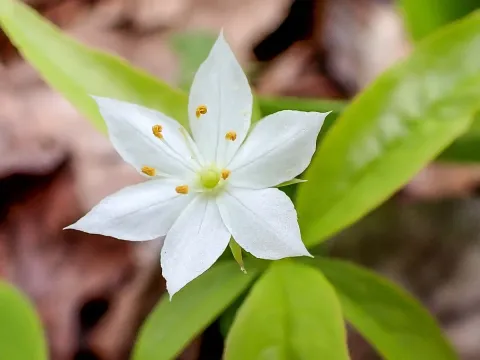
Chickweed wintergreen
Trientalis
Chickweed wintergreen (Trientalis) is a genus of perennial herbaceous plants belonging to the Primulaceae family. While not a conventional agricultural crop, it is a significant species in forest ecology, woodland restoration projects, and specialized shade gardening.
What the section contains

Chickweed wintergreen
Native to the temperate regions of the Northern Hemisphere, these plants are primarily found in moist, shaded woodland environments. They thrive in areas with high humidity and sheltered locations, avoiding direct sunlight which can scorch the delicate foliage.
The soil requirements for Trientalis include high organic content and acidity. They prefer loose, well-drained soil typical of forest floors. Any agricultural intervention must focus on maintaining these soil conditions to ensure long-term viability and growth.
Botanically, the plant is characterized by slender, creeping rhizomes that facilitate vegetative spread. The stem is upright, usually topped by a whorl of leaves, with solitary white or pinkish flowers. Its growth cycle is closely tied to the seasonal variations in light availability.
In terms of usage, the plant serves as a ground cover in forest-type gardens or as a research subject in plant biology. It does not provide significant agricultural yield, but it contributes to the biodiversity of managed forest landscapes and habitat preservation.
The primary threats to Trientalis populations involve fungal pathogens that flourish in stagnant, humid environments. Leaf spots and rust are the most frequent issues, often resulting from inadequate air circulation around the plants during the growing season.
Slugs and snails are the most prominent pests, capable of causing severe damage to the soft, tender leaves. These pests are particularly active during damp weather, posing a risk to dense patches of the plant in forest settings or nurseries.
Management of these threats relies heavily on cultural practices. Providing proper spacing to ensure adequate airflow and avoiding overhead irrigation can significantly reduce the incidence of fungal diseases without the need for chemical intervention.
Biological control methods are preferred when dealing with pests. Maintaining a healthy soil ecosystem helps suppress soil-borne pathogens, while physical barriers can be effective against gastropods in a cultivated garden setting.
Vigilance is required during the early stages of growth when the plant is most vulnerable to environmental stress. Maintaining the natural balance of the growing site remains the best defense against major outbreaks of pests or diseases.