
Chinese primrose
Primula sinensis
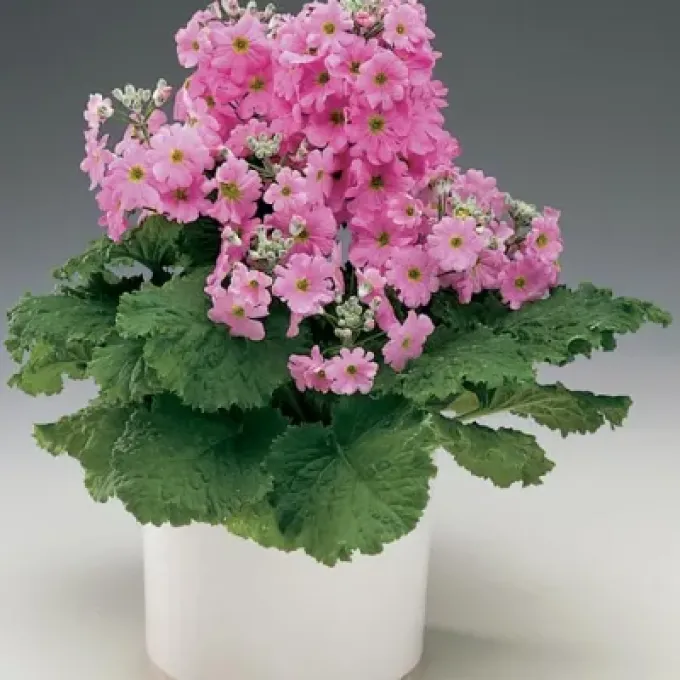
Description
Sowing dates
Sowing of Chinese primrose seeds is typically conducted from January to March. Since the seeds lose viability quickly, it is essential to use only fresh seeds for higher germination rates.
The seeds should be sown on the surface of the growing medium, as they require light to germinate. The container should be covered with glass or film to maintain high humidity levels.
An optimal temperature for germination is between 18 and 20 degrees Celsius. It is crucial to prevent overheating, as high temperatures can drastically inhibit the germination process.
Seedlings should be pricked out after the development of the first pair of true leaves. At this stage, providing adequate space and a high-quality nutrient substrate is vital for healthy growth.
Supplemental lighting is highly recommended during the seedling stage to ensure strong plant development, especially during winter months when natural light is limited.
Growing requirements
The Chinese primrose (Primula sinensis) belongs to the Primulaceae family. It is a perennial herbaceous plant, widely cultivated as an annual or biennial crop for decorative purposes.
This species thrives in cool environments with bright, indirect light. Direct sunlight can scorch the leaves and cause the flowers to wilt prematurely, which is a critical factor in greenhouse management.
Soil requirements involve a loose, well-draining, and moisture-retentive mix. A composition containing loam, peat, and sand provides the ideal structural base for the root system.
Irrigation must be precise; the plant requires consistent moisture but is highly susceptible to root rot if the soil remains waterlogged. Watering should be applied to the soil rather than the foliage.
Regular maintenance includes deadheading faded blooms, which redirects the plant's energy toward continuous flower production throughout its blooming period.
Main diseases and pests
Spider mites and aphids are the most common pests affecting the Chinese primrose, especially in indoor conditions where air humidity is often too low for the plant.
Fungal diseases, particularly root and stem rots, are major threats that often result from excessive watering and inadequate airflow within the cultivation area.
To control these threats, growers should focus on maintaining proper ventilation and avoiding water accumulation on the crown of the plant during the irrigation process.
Preventative measures include using sterilized potting media and keeping the growing environment clean to prevent the buildup of pathogens and pests.
If an infestation occurs, integrated pest management practices should be followed, utilizing appropriate insecticides or fungicides as needed to protect the crop.