
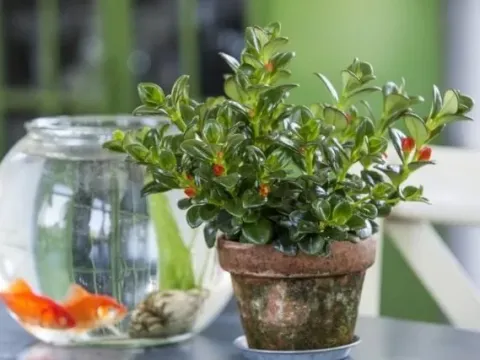
Nematanthus
Nematanthus
Nematanthus is a perennial epiphytic plant belonging to the Gesneriaceae family, native to the tropical forests of Brazil. In an agricultural and horticultural context, it requires specific conditions that mimic its natural habitat to thrive and produce flowers.
What the section contains


Nematanthus
The crop demands bright, indirect light to facilitate photosynthetic efficiency without causing leaf necrosis. High light intensity is necessary for bloom induction, while direct midday sun should be avoided to prevent foliar scorching.
Climate requirements include temperatures between 20°C and 25°C during the active growing season. A distinct cooling period, with temperatures dropping to approximately 15°C, is essential to stimulate the reproductive phase and ensure consistent flowering cycles.
Soil management for Nematanthus involves using a well-draining, aerated substrate. A professional mix usually consists of peat moss, perlite, and bark, maintaining an acidic to neutral pH range of 5.5 to 6.5, which is critical for nutrient uptake.
Watering must be calibrated to allow the substrate to dry slightly between irrigation cycles. Overwatering can lead to root anoxia, which is detrimental to the health of this epiphytic species. Consistent humidity levels of 60–70% should be maintained.
The primary pests affecting Nematanthus are spider mites and scale insects. These pests thrive in dry environments and can cause significant damage to foliage if not identified and treated early in the infestation stage.
Fungal pathogens such as root rot and powdery mildew represent the most significant disease threats to the crop. These are usually symptoms of improper ventilation and excessive soil moisture levels.
Chlorosis, or the yellowing of leaves, is a common physiological response to incorrect mineral balance or alkaline pH levels in the growing medium, requiring soil testing and adjustment of fertilization.
Effective pest management involves integrated control strategies, including the use of horticultural oils and systemic insecticides, as well as mechanical removal for localized infestations.
Regular sanitation and pruning of necrotic or overcrowded stems significantly improve air circulation within the canopy, which effectively reduces the incidence of opportunistic fungal infections in commercial production.