
Nematanthus gregarius
Nematanthus gregarius
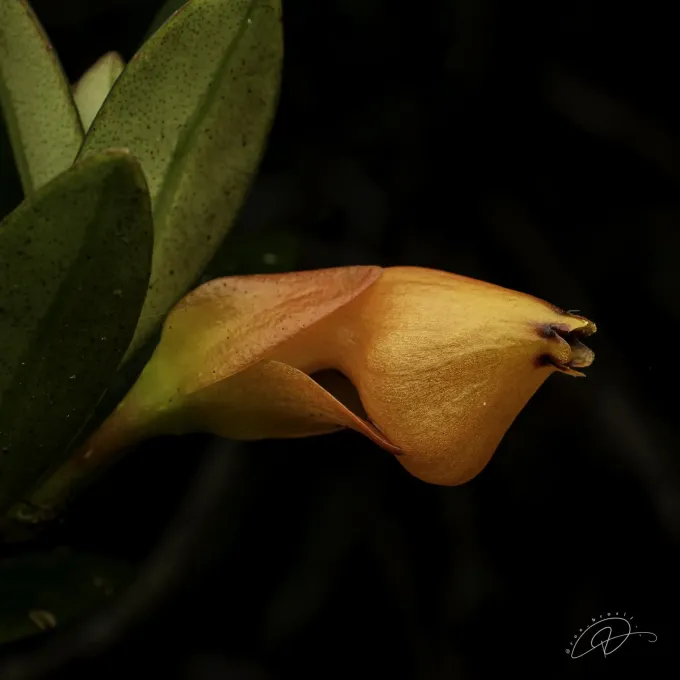
Description
Growing requirements
Nematanthus gregarius is a perennial evergreen plant belonging to the Gesneriaceae family. Originating from the tropical rainforests of Brazil, it is naturally adapted to epiphytic life, growing on tree branches or in rocky crevices where organic matter accumulates.
The cultivation of this species requires bright, indirect light. While it thrives in tropical conditions, direct sunlight can scorch the waxy, succulent-like leaves. Optimal light levels are essential for maintaining the plant's compact, bushy growth habit.
Soil requirements focus on high aeration and drainage. As an epiphyte, the plant performs best in a loose, coarse mix consisting of peat, orchid bark, perlite, and charcoal. This composition prevents root suffocation and promotes healthy development.
Temperature management is critical for the lifecycle of Nematanthus gregarius. During the growing season, temperatures between 20°C and 25°C are ideal. A cooler rest period during winter, with temperatures around 16°C, is necessary to induce flowering.
Watering practices must be meticulous. The substrate should be kept consistently moist but never waterlogged. High ambient humidity is preferred, which can be achieved through regular misting or using a pebble tray filled with water beneath the pots.
Main diseases and pests
The primary pests affecting Nematanthus gregarius are spider mites and mealybugs, which thrive in low-humidity environments. These pests can rapidly infest the plant, causing leaf discoloration and stunting growth.
Root rot is the most common disease encountered, typically resulting from poor drainage or overwatering. This condition is often fatal if not caught in the early stages, as it destroys the delicate root system of the epiphyte.
Fungal infections, such as powdery mildew, may occur if there is insufficient air circulation. Ensuring the plant is not overcrowded and maintaining a light breeze around the foliage helps prevent these common issues.
Integrated pest management, including regular inspection of the undersides of leaves and using systemic horticultural soaps, is effective in maintaining plant health. Avoiding chemical runoff is vital for sustainable cultivation.
If the plant exhibits signs of stress, such as yellowing leaves or loss of turgor, the first step is to assess the moisture level of the root zone and check for the presence of hidden colonies of sap-sucking insects.