
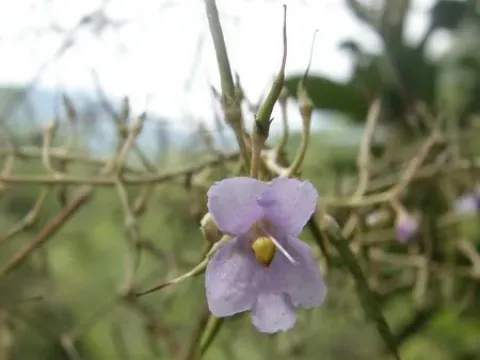
Paraboea
Paraboea
Paraboea is a genus of flowering plants belonging to the Gesneriaceae family. These plants are primarily native to the limestone cliffs and humid forests of Southeast Asia, ranging from Thailand to China, where they have adapted to specific rock-dwelling conditions.
What the section contains
Paraboea
The botanical structure of Paraboea includes a basal rosette of leaves that are often densely pubescent, which acts as a protective layer against moisture loss. The flowers are typically tubular and range in color, making them highly prized in specialized botanical collections.
Cultivation requires conditions that mimic their natural habitat: high ambient humidity, good air circulation, and stable temperatures. They are not traditional agricultural crops but are valued in horticulture for their unique aesthetic appeal and rare status in private collections.
The soil requirement is stringent, demanding a very airy, well-draining substrate. A mix consisting of long-fiber sphagnum, perlite, and volcanic rock is often used to ensure that roots do not suffocate and have enough oxygen to maintain vigorous health.
Water management is critical for the success of Paraboea. It is essential to use pure water and avoid any heavy mineral buildup in the substrate. Overhead watering is discouraged to prevent crown rot, especially if the air humidity is not perfectly balanced with ventilation.
The primary threats to Paraboea include fungal pathogens such as Pythium and Phytophthora, which proliferate when the substrate remains saturated for too long. Proper drainage is the most effective defense against these lethal root diseases.
Pests like spider mites and mealybugs can infest the plants, particularly in environments where humidity drops too low. Management involves monitoring the leaf undersides and maintaining an environment that is hospitable to the plant but unfavorable to these specific pests.