
Nautilocalyx
Nautilocalyx
Nautilocalyx is a genus of tropical plants belonging to the Gesneriaceae family. These plants are native to the tropical forests of Central and South America, where they typically thrive in humid and shaded understory conditions.
What the section contains


Nautilocalyx
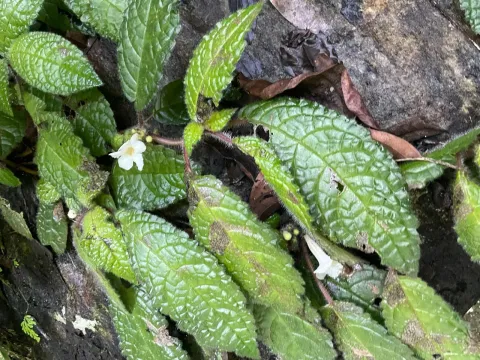
Botanically, they are characterized by their succulent stems and lush foliage, often featuring distinct leaf textures and colorations ranging from bright green to deep purple. Their flowers are tubular and generally emerge from the leaf axils.
For successful cultivation, Nautilocalyx requires bright, indirect light. Direct exposure to intense sun rays should be avoided, as it can easily scorch the leaves and permanently damage the plant's aesthetic appeal.
The soil requirements involve a well-draining, airy, and slightly acidic medium. A mixture of peat moss, perlite, and decomposed organic matter provides the best balance for root development and nutrient uptake.
Temperature management is critical, as these plants prefer a consistent range between 20 to 25 degrees Celsius. They are sensitive to cold drafts, which can lead to leaf drop and stunted growth during the active vegetation season.
The most common pests affecting these plants are spider mites, especially in low-humidity environments, and mealybugs. If not monitored, these pests can quickly weaken the plant structure.
Fungal diseases, primarily root rot, represent the most significant threat to the plant's health. This is typically caused by poor drainage or overwatering, which creates anaerobic conditions that favor pathogen growth.
Prevention involves maintaining adequate air circulation and ensuring the potting mix dries slightly between waterings. Use systemic fungicides or acaricides only if infestation signs are clearly identified.
Monitoring the undersides of the leaves is essential for early pest detection. Regularly cleaning the leaves with a damp cloth can help keep the plant free of dust and reduce the likelihood of pest colonization.
Overall, maintaining strict sanitation in the growing area, such as removing dead foliage, significantly lowers the risk of spreading pathogens and pests among other plants in the collection.