
Mitraria
Mitraria
Description
Growing requirements
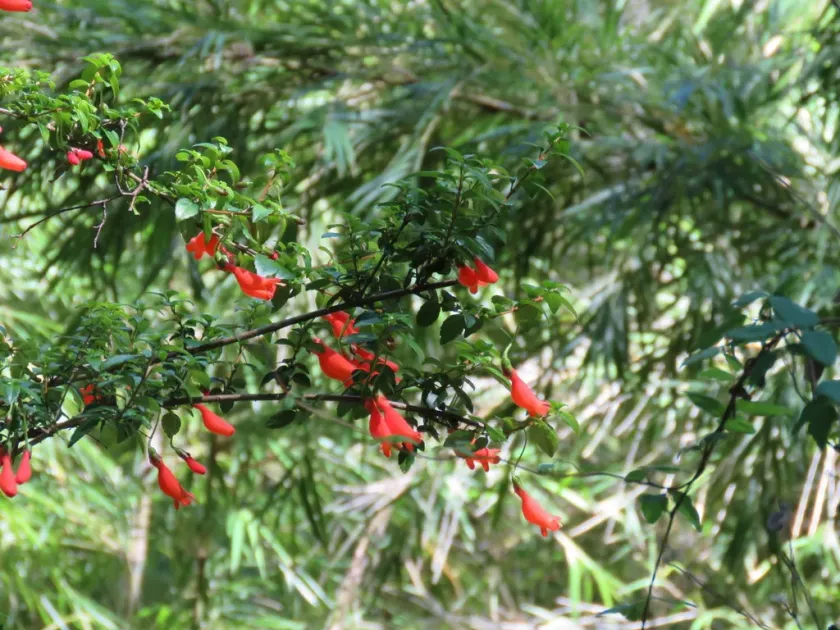
Mitraria is a fascinating genus of evergreen shrubs belonging to the Gesneriaceae family. Originating from the cool, humid temperate forests of Chile and Argentina, this plant is highly valued for its distinct, lantern-shaped flowers that appear during the warmer months.
Botanically, Mitraria is characterized by its trailing or climbing habit, making it an excellent choice for hanging baskets or vertical structures. The foliage consists of dark, glossy, ovate leaves that remain vibrant year-round under proper growing conditions.
The climate requirements for this plant focus on stability. It thrives in cool, humid environments with temperatures ideally kept between 15°C and 20°C. It is intolerant of extreme heat and frost, requiring a sheltered location if grown outdoors.
Regarding soil, Mitraria demands a well-draining, nutrient-rich substrate. A mix consisting of peat moss, perlite, and pine bark is recommended to mimic the forest floor and ensure the root system is well-aerated while remaining moist.
Standard agrotechnical care involves consistent watering with soft, room-temperature water. During the active growing season, light fertilization with a balanced, water-soluble fertilizer helps promote flowering and overall plant vigor without causing salt accumulation.
Main diseases and pests
The most common pests affecting Mitraria include spider mites and mealybugs, which thrive in low-humidity environments. Regular misting and proper air circulation are key preventative measures to keep these populations under control.
Fungal issues, such as Botrytis or root rot, often occur if the soil remains waterlogged or if the plant is kept in stagnant, humid air. Proper management involves letting the top inch of soil dry out between waterings and using high-quality fungicides when early symptoms appear.