
Monophyllaea
Monophyllaea
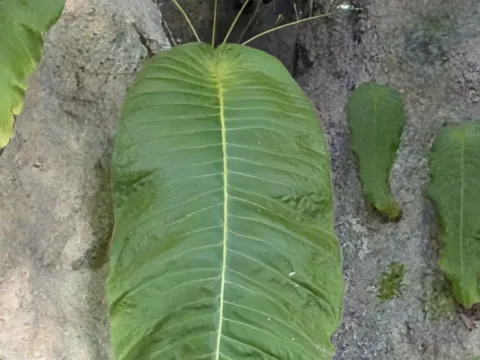
Monophyllaea is a distinct genus of plants belonging to the Gesneriaceae family. This culture is renowned for its remarkable morphology, characterized by the development of a single, long-lived leaf that emerges from a hypocotyl.
What the section contains

Monophyllaea
Originating from the tropical rainforests of Southeast Asia, Monophyllaea thrives in shady and humid environments. It typically inhabits the forest floor, where the canopy provides the necessary protection from direct sunlight and temperature extremes.
The cultivation of this plant requires a loose, moisture-retentive substrate rich in organic matter. Optimal growing conditions include temperatures ranging from 22 to 26 degrees Celsius and maintaining consistent high humidity levels.
In terms of horticulture, Monophyllaea is not treated as a traditional crop but rather as a specialized subject for greenhouses. Success in cultivation depends on precise irrigation management to prevent root rot while ensuring the plant does not dry out.
The practical application of Monophyllaea is primarily scientific and ornamental. It serves as a significant subject for studies in plant developmental biology, specifically regarding how plants regulate leaf growth and life cycles.
The primary threats to Monophyllaea are fungal pathogens resulting from stagnant water and poor air circulation. These infections can lead to rapid deterioration of the root system and the base of the stem.
Common pests such as spider mites and mealybugs pose a significant risk to the plant. Because the organism relies on a single leaf to maintain all its life functions, pest control is vital to ensure long-term plant health.