
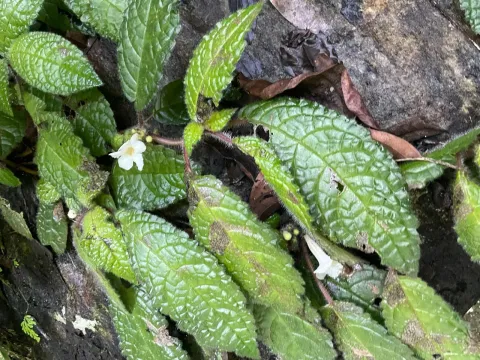
Nautilocalyx
Nautilocalyx Lind. ex Hanst.
Nautilocalyx is a genus of perennial herbaceous plants belonging to the Gesneriaceae family. Originating from the tropical rainforests of Central and South America, these plants are adapted to thrive in warm, humid, and shaded environments beneath the forest canopy.
What the section contains

Nautilocalyx
These plants are primarily cultivated for their foliage, which often features unique textures and vivid colors, ranging from deep green to metallic purples. Their structural beauty makes them a staple for botanical collectors and indoor gardening enthusiasts focusing on tropical species.
The cultivation of Nautilocalyx requires specific light conditions; they prefer bright, indirect light to maintain leaf pigmentation. Excessive direct sunlight should be avoided to prevent leaf scorch, while low light levels may lead to etiolated, weak growth and loss of vibrant colors.
Soil requirements for this genus include a well-draining, nutrient-rich potting mix. A blend of peat moss, pine bark, and perlite is ideal, ensuring that the roots have sufficient aeration while retaining enough moisture to support consistent hydration of the leaves and stems.
Maintaining high ambient humidity is crucial for the health of Nautilocalyx. Regular misting, the use of pebble trays, or cultivation in terrarium conditions can significantly improve the plant's vigor and prevent the edges of the leaves from turning brown and brittle.
Common pests affecting Nautilocalyx include spider mites and mealybugs, which thrive in environments where humidity is inconsistently managed or airflow is stagnant around the foliage.
Root rot, often caused by overwatering and poor soil drainage, is the primary threat to the longevity of the plant. Ensuring the top inch of the soil dries out slightly before re-watering is an essential cultural practice to mitigate this risk.