
Nematanthus monanthos
Nematanthus monanthos
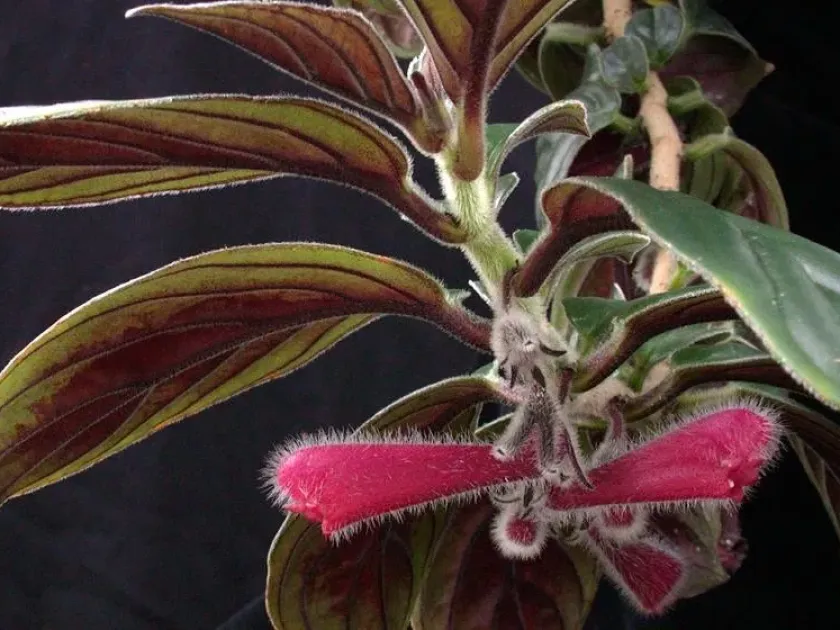
Description
Growing requirements
Nematanthus monanthos is a specialized species within the Gesneriaceae family. Originating from the tropical forests of Brazil, this plant naturally functions as an epiphyte, typically found attached to tree trunks or rocky substrates where it thrives in humid, shaded environments.
Regarding climatic requirements, the plant demands high levels of ambient humidity and stable temperatures ranging between 20°C and 25°C. Exposure to direct harsh sunlight must be avoided, as it leads to leaf scorch, while cold drafts can cause severe physiological stress and premature leaf drop.
The soil substrate must mimic the natural epiphytic growing conditions. It should be light, airy, and acidic. A well-draining mix containing peat moss, pine bark, perlite, and coconut fiber is recommended to ensure that oxygen reaches the root zone while retaining essential moisture.
Watering practices are critical for maintaining vigor. The growing medium should be kept consistently moist but never waterlogged. During the winter dormancy period, watering frequency should be reduced significantly, allowing the upper layer of the soil to dry out between applications.
For optimal development, the plant requires regular feeding during the active growing season. A balanced, water-soluble fertilizer specifically formulated for flowering gesneriads, applied at half the recommended strength every two weeks, supports healthy foliage and prolific blooming.
Main diseases and pests
The primary pests affecting Nematanthus monanthos include spider mites, which thrive in dry indoor air, and mealybugs that congregate in the leaf axils. Regular inspection of the plant's foliage is necessary to detect these pests before they reach critical infestation levels.
Root rot, caused by overwatering or poor drainage, represents the most significant pathological threat to the crop. To mitigate risks, growers should ensure pots have adequate drainage holes and apply systemic fungicides if signs of fungal decay appear on the stems or roots.