
Nematanthus strigillosus
Nematanthus strigillosus
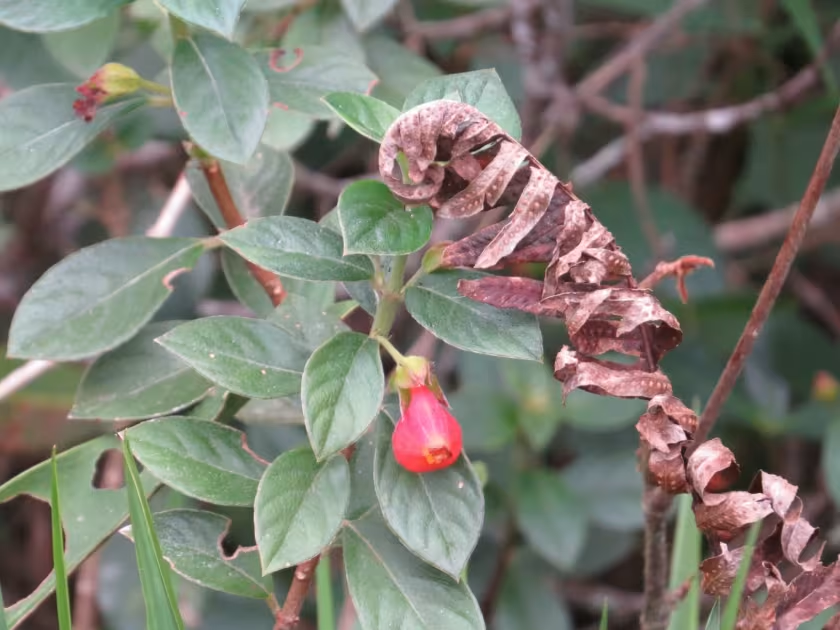
Description
Growing requirements
Nematanthus strigillosus is a charming species within the Gesneriaceae family, naturally occurring in the tropical rainforests of Brazil. Known for its trailing habit, it functions as an epiphyte in its native habitat, clinging to mossy branches and tree crevices.
The climate requirements for this plant demand consistent warmth, ideally between 20 and 25 degrees Celsius. It is sensitive to sudden drops in temperature and should be protected from cold drafts, especially during the winter months when activity slows down.
Bright, indirect light is essential for maintaining the health of the foliage and promoting flowering. High-intensity light can cause leaf scorch, while insufficient light leads to spindly growth and a lack of blooms, making east-facing locations ideal.
The substrate must prioritize drainage and aeration. A mix consisting of equal parts peat moss, perlite, and orchid bark is highly effective at mimicking the natural environment of an epiphyte and preventing root suffocation.
Humidity management is vital for Nematanthus strigillosus. It thrives in high humidity environments, requiring frequent misting or the use of pebble trays filled with water to ensure the ambient air remains sufficiently moist for healthy development.
Main diseases and pests
Spider mites are the most common pests found on Nematanthus strigillosus, thriving in low-humidity conditions. They create tiny webs and feed on cell sap, leading to stunted growth and mottled, discolored leaves.
Mealybugs can be problematic, often nesting in the junctions between leaves and stems. They appear as white, cotton-like masses, which can be mechanically removed or treated with insecticidal soaps to prevent further spread.
Scale insects present a challenge by attaching themselves firmly to stems and undersides of leaves. Because of their protective outer shell, they require contact or systemic insecticides to effectively eliminate the infestation.
Root rot is the most significant disease risk, typically caused by overwatering or poor drainage. Symptoms include wilting despite moist soil and a darkening or mushy texture at the base of the stem near the soil line.
Fungal leaf spots can occur when the plant is kept in stagnant air with high moisture levels on the leaf surface. Improving air circulation around the plant is the most effective preventative measure against these infections.