
Nematanthus hybrids
Nematanthus hybrids
Description
Growing requirements
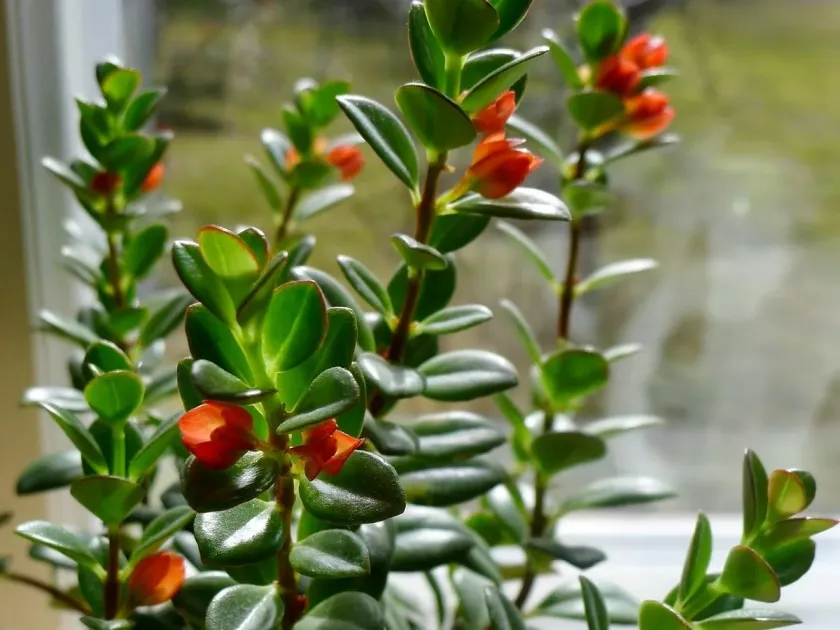
Nematanthus hybrids are fascinating ornamental plants belonging to the Gesneriaceae family. Originating from the tropical rainforests of Brazil, these plants are known for their waxy, dark green foliage and unique, pouch-shaped flowers.
These plants thrive in bright, filtered light. While they enjoy a sunny environment, direct harsh sunlight must be avoided to prevent leaf scorching and to maintain the vibrant color of their leaves.
A well-draining, airy potting medium is essential for these epiphytic plants. A mixture of peat moss, perlite, and pine bark creates the ideal structure, allowing roots to breathe and preventing compaction.
Temperature management is key to successful growth; they prefer moderate conditions between 20°C and 25°C. A slight drop in temperature during the winter months helps the plant rest and prepares it for the next blooming cycle.
High humidity levels are preferred, mimicking their natural tropical habitat. If the environment is too dry, particularly in heated homes, grouping plants or using pebble trays will significantly improve their vigor.
Main diseases and pests
Overwatering remains the most critical threat, often leading to root rot and sudden wilting. It is vital to ensure that the potting mix is dry to the touch before applying additional moisture.
Spider mites are common pests that thrive in dry air conditions. They typically congregate on the undersides of leaves, and if left untreated, they can cause significant leaf drop and plant stress.
Mealybugs can hide in the leaf axils, creating small white cottony masses. Regular cleaning of the plant and removal of dead foliage can effectively disrupt their lifecycle and prevent a full-blown infestation.
Botrytis or grey mold may develop if the plant is kept in conditions with poor airflow and high humidity. Maintaining good ventilation is a fundamental requirement for keeping these plants healthy indoors.
Proactive care involves pruning long, sparse stems to encourage a fuller growth habit. Removing any yellowing or diseased leaves promptly is a standard sanitary measure to maintain the health of the hybrid.