
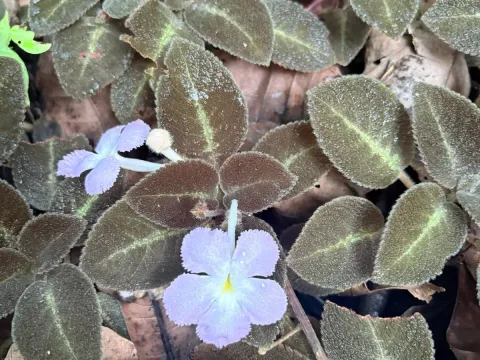
Episcia
Episcia
Episcia (lat. Episcia) is a herbaceous perennial belonging to the Gesneriaceae family. Originally native to the tropical regions of Central and South America, this culture thrives in high-humidity environments typical of tropical forest understories.
What the section contains


Episcia
The botanical structure of Episcia is characterized by creeping stems that easily root at the nodes. Its foliage is highly valued for ornamental purposes, featuring diverse colors ranging from vivid greens to deep chocolate browns, often accompanied by complex patterns of silver or copper-colored venation.
Cultural requirements emphasize the need for bright, indirect light. Intense sunlight must be avoided, as it causes severe tissue damage to the leaves. Consistent temperatures between 20°C and 25°C are ideal for maintaining optimal metabolic rates and steady growth throughout the season.
Soil composition must prioritize drainage and aeration. A substrate based on peat moss, leaf mold, and perlite provides the necessary structure to prevent compaction. Proper soil pH should be maintained in the slightly acidic range to ensure efficient nutrient uptake for the plant.
High humidity levels are essential for this species. In controlled environments, it is recommended to maintain ambient humidity above 60%. This can be achieved through localized irrigation or automated humidification systems, ensuring the root zone stays moist but never waterlogged.
The most common pests affecting Episcia are spider mites, aphids, and mealybugs. These insects often target the undersides of the leaves or the tender stems, feeding on plant sap and causing stunted development or foliage discoloration.
Fungal diseases are predominantly caused by poor management of moisture and temperature balance. Root rot is a frequent issue, resulting from overwatering and insufficient soil oxygenation, which rapidly leads to the collapse of the plant's vascular system.
Management strategies involve rigorous sanitation practices, including the removal of debris and infected tissue. Application of appropriate fungicides or systemic insecticides should be integrated into the plant management program based on early detection of symptoms.
Prevention is key, involving the use of sterilized growing media and the practice of regular air circulation. Ensuring the crown of the plant stays dry while watering is crucial for preventing leaf spots and bacterial infections common in dense foliage.
In cases of severe infestation, isolation of the affected plants is mandatory to prevent cross-contamination. Monitoring programs should be implemented to detect pest populations before they reach threshold levels that require intensive chemical intervention.