
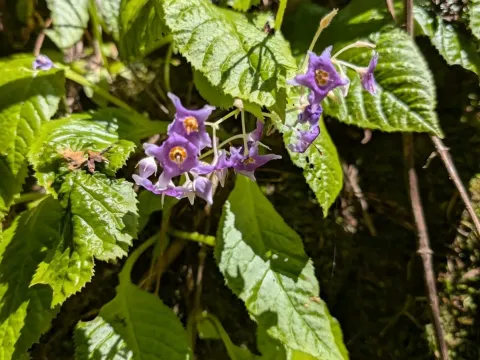
Conandron
Conandron
Conandron is a genus of perennial herbaceous plants belonging to the Gesneriaceae family. The most well-known species, Conandron ramondioides, is native to the humid mountain environments of Japan, Taiwan, and Korea, where it thrives on rocky cliffs.
What the section contains

Conandron
Cultivation of this plant requires a deep understanding of its natural habitat. It demands a shaded environment with high atmospheric humidity, mirroring the damp conditions of forest canyons or rocky outcrops where it originally evolved.
The ideal soil for Conandron should be light, well-draining, and rich in leaf mold or organic matter. Despite its moisture requirements, the plant is intolerant of waterlogged soil, which can lead to rapid decay of the rhizomes and root system.
Botanically, the plant is characterized by a basal rosette of wrinkled, serrated leaves that often feature fine pubescence. The elegant flowers rise on stalks, presenting a unique aesthetic that is highly valued by collectors of shade-loving alpine flora.
Successful management of the culture involves careful monitoring of temperature. Conandron prefers cool conditions and struggles in extreme heat, necessitating strategic placement in the garden or greenhouse to protect it from heat stress and direct sunlight.
Root rot is the most significant threat to Conandron, usually caused by poor drainage or excessive watering. Once the roots begin to decay, the entire plant loses the ability to absorb nutrients, leading to rapid decline and potential plant loss.
Pests such as slugs and snails pose a major threat to the foliage. Because the leaves are succulent and tender, they are highly attractive to these mollusks, which can inflict significant damage on the plant's aesthetic and vitality.
Spider mites are another common nuisance, particularly in environments where humidity levels are not properly regulated. These pests thrive in dry conditions and can quickly dehydrate the plant by feeding on the cellular sap of the leaves.
Fungal pathogens often invade the plant through wounds caused by insects or physical handling. Keeping the environment clean and ensuring adequate airflow are the primary methods for preventing the spread of such diseases.
To maintain a healthy collection, regular inspection is mandatory. Implementing integrated pest management strategies, such as physical barriers against slugs and maintaining optimal moisture levels, is crucial for the survival of the plant.