
Henckelia
Henckelia
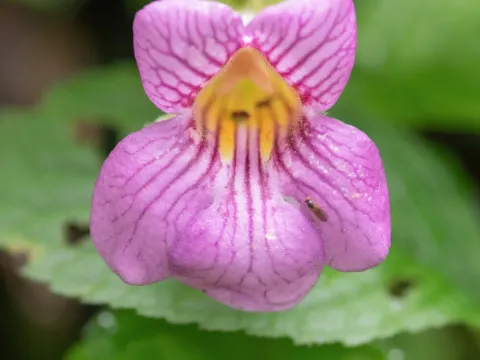
Henckelia is a genus of perennial herbaceous plants belonging to the Gesneriaceae family. These plants are native to the tropical and subtropical regions of Southeast Asia, thriving in the humid, shaded understory of dense forests.
What the section contains


Henckelia
The botanical profile of Henckelia features diverse leaf shapes, often pubescent or textured, and attractive tubular flowers that emerge from the foliage. Their growth habit makes them excellent candidates for ornamental horticulture in controlled environments.
Successful cultivation requires stable temperatures between 20°C and 25°C. The species is highly sensitive to cold drafts and rapid temperature fluctuations, which can induce stress and stop flower production.
The growing medium must be porous, well-draining, and slightly acidic. A mix of peat moss, perlite, and high-quality leaf mold provides the necessary structure to support root health and oxygen exchange.
Light requirements involve bright, indirect sunlight throughout the year. Direct sun exposure can quickly scorch the delicate leaves, whereas insufficient light causes the plants to become leggy and lose their aesthetic appeal.
Root rot is the most common health issue for Henckelia, primarily caused by overwatering or poor drainage systems. Maintaining a delicate balance between moisture and aeration is essential to prevent fungal outbreaks.
Spider mites pose a significant threat during periods of low humidity. These pests thrive in dry environments and can quickly cause significant foliage damage if not controlled by increasing local moisture levels.
Mealybugs are another prevalent threat, often hiding in the crevices of leaf stems. Their presence results in stunted growth and the production of honeydew, which may attract secondary mold infections.
Fungal leaf spots can develop if water is allowed to sit on the leaves for extended periods in stagnant air. Ensuring good air circulation around the plants is a critical preventive measure for indoor cultivation.
Integrated pest management, including regular monitoring and the use of targeted acaricides or insecticides, is recommended to keep plants healthy. Maintaining a clean growing area significantly reduces the risk of infestation.