
Haberlea rhodopensis
Haberlea rhodopensis
Description
Growing requirements
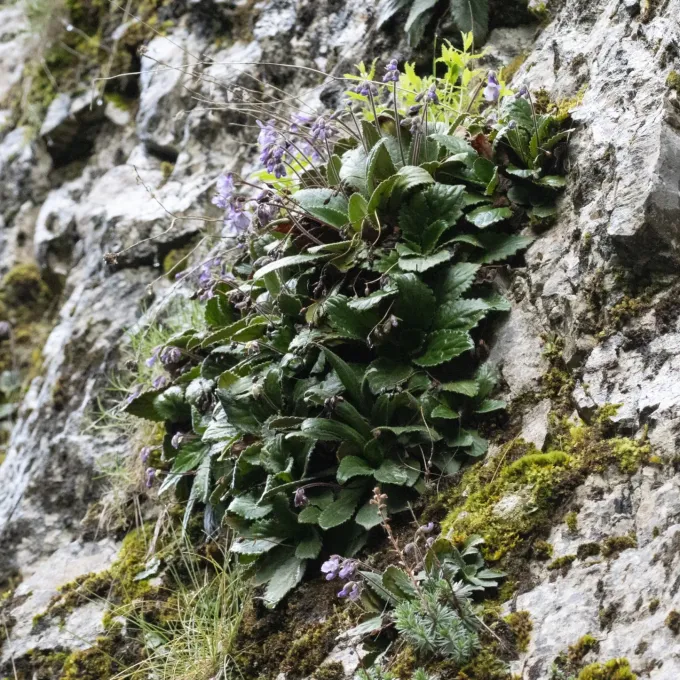
Haberlea rhodopensis is a perennial herbaceous plant belonging to the Gesneriaceae family. Native to the Balkan Peninsula, it is specifically found in the Rhodope Mountains of Bulgaria and Greece, typically inhabiting limestone crevices.
Botanically, this species is famous for its poikilohydric nature. It is a true "resurrection plant" capable of withstanding extreme desiccation by entering a state of dormancy, only to regain full metabolic function shortly after hydration.
For successful cultivation, the plant requires semi-shaded environments, mimicking its natural cliff-side habitat. Avoid exposure to intense direct sunlight, which can scorch the delicate, hairy rosettes of the plant.
The soil requirements focus on excellent drainage and a slightly alkaline pH. Utilizing a mix of crushed rock, grit, and leaf mold creates a substrate that supports the plant's need for aeration while preventing stagnation.
Cultural care involves maintaining high humidity levels in the surrounding air while keeping the root zone from becoming waterlogged. Propagation is primarily achieved through the division of mature rosettes during the early spring or autumn seasons.
Main diseases and pests
The most significant threat to Haberlea rhodopensis is crown rot, usually caused by poor drainage or excessive water retention around the base of the plant. This is the primary cause of mortality in cultivation.
Slugs and snails can pose a threat, particularly in humid garden settings, as they feed on the succulent leaves of the rosettes. Regular monitoring and physical barriers are often necessary to protect the foliage.
Fungal pathogens, such as Botrytis, may emerge during periods of prolonged dampness and poor airflow. Keeping the crown dry by using top-dressing of gravel is a standard horticultural practice to mitigate this risk.
Winter desiccation is another factor to consider; while the plant is cold-hardy, extreme wind exposure during dry, freezing conditions can be detrimental to its tissues if it is not adequately protected.
Overall, maintaining the plant in a rock garden with proper slope for drainage is the best defense against both pests and pathogens, ensuring long-term health and consistent growth.